Difference between revisions of "Howea forsteriana"
| (15 intermediate revisions by 2 users not shown) | |||
| Line 1: | Line 1: | ||
__noeditsection__ | __noeditsection__ | ||
{{Palmbox | {{Palmbox | ||
| − | |image= | + | |image=hfIMG_6939.jpg |
| − | |image_caption= | + | |image_caption=Lord Howe Island - Troy & Darold Petty's excellent adventure. Photo by Troy Donovan. |
|genus=Howea (how'-eh-ah) | |genus=Howea (how'-eh-ah) | ||
|species=<br>forsteriana (for-ster'-ee-AHN-ah) | |species=<br>forsteriana (for-ster'-ee-AHN-ah) | ||
| Line 20: | Line 20: | ||
}} | }} | ||
==Habitat and Distribution== | ==Habitat and Distribution== | ||
| − | Found in the Norfolk Is. Grows naturally only on the Lord Howe Island group, in the Tasman sea about 500 mi (804 km) off the eastern coast of New South Wales, Australia. The climate on Lord Howe Island is subtropical, warm to cool. Kentia palms grow in extensive colonies at low to moderate altitudes, less than 2870 ft (875 m) above sea level. (Floridata.com) | + | Found in the Norfolk Is. Grows naturally only on the Lord Howe Island group, in the Tasman sea [[File:hfIMG_6944.jpg|thumb|left|500px|Lord Howe Island - Troy & Darold Petty's excellent adventure. Entrance to lodging. Photo by Troy Donovan.]]about 500 mi (804 km) off the eastern coast of New South Wales, Australia. The climate on Lord Howe Island is subtropical, warm to cool. Kentia palms grow in extensive colonies at low to moderate altitudes, less than 2870 ft (875 m) above sea level. (Floridata.com) |
| − | + | ||
==Description== | ==Description== | ||
| − | Howea forsteriana has a canopy of about three dozen gracefully drooping leaves which produce an airy and poised look. The leaves are pinnate (featherlike) and grow up to 12 ft (3.7 m) long with thornless 4-5 ft (1.2-1.5 m) petioles (leaf stems). The leaflets are like fingers, 2.5 ft (0.8 m) long and 2 in (5 cm) wide; they bend downward in a graceful fashion. Kentia palm leaflets are dark green on top and lighter green on the bottom. The mature spread ranges from 10-20 ft (3-6 m) across, and the height may range from 15-30 ft (4.6-9 m), and can reach 60 ft (18.3 m). The trunk is swollen at the base and has slightly raised annular trunk rings. The kentia palm produces an inflorescence about 3.5 ft (1.1 m) long which consists of white flowers on 3-7 spikes which are fused at their bases. Male and female flowers are produced in the same inflorescence. Mature fruits are dull red and egg shaped, about 1.5 in (3.8 cm) long. (Floridata.com) | + | Howea forsteriana has a canopy of about three dozen gracefully drooping leaves which produce an airy and poised look. The leaves are pinnate (featherlike) and grow up to 12 ft (3.7 m) long with thornless 4-5 ft (1.2-1.5 m) petioles (leaf stems). The leaflets are like fingers, 2.5 ft (0.8 m) long and 2 in (5 cm) wide; they bend downward in a graceful fashion. Kentia palm leaflets are dark green on top and lighter green on the bottom. The mature spread ranges from 10-20 ft (3-6 m) across, and the height may range from 15-30 ft (4.6-9 m), and can reach 60 ft (18.3 m). The trunk is swollen at the base and has slightly raised annular trunk rings. The kentia palm produces an inflorescence about 3.5 ft (1.1 m) long which consists of white flowers on 3-7 spikes which are fused at their bases. Male and female flowers are produced in the same inflorescence. Mature fruits are dull red and egg shaped, about 1.5 in (3.8 cm) long. (Floridata.com) Editing by edric. |
==Culture== | ==Culture== | ||
| − | {{ | + | <center> |
| − | + | [[{{PFC}}http://www.palmpedia.net/palmsforcal/index.php5/Howea_forsteriana]] | |
| + | </center> | ||
| + | Kentia palms tolerate and adapt to a wide variety of soils including those that are neutral, acidic, clayey and slightly alkaline, but they perform best in rich loamy soil with excellent drainage. Kentia palms are traditionally slow growers, however regular fertilization with palm-grade fertilizer promotes maximum growth. A balanced (e.g., 18-18-18) slow-release palm fertilizer with minor elements should be used during the growing season. Magnesium and potassium nutritional deficiencies have been noted, particularly in older kentias. Mineral supplements should be administered in recommended amounts to prevent or treat such deficiencies. Kentia palms in pots or tubs can be left in the same container for many years due to their slow growth. Kentia palm can be attacked by spider mites, scale insects, Cylindrocladium leaf spot, stigmina and other fungal leaf spots. They are also susceptible to lethal yellowing disease. | ||
| + | {{read more top}} | ||
Light: Outside kentia palms grow best in 35%-80% of full sunlight, tolerating direct sun only after about five years old. Young kentia need protection from direct sunlight and grow best in shady to partly shady locations. Interior light for optimal growth of Kentia palm is in the range of 75-150 foot-candles, which is the approximate illumination level for casual reading. They are considered exceptional in their ability to withstand low interior light levels. | Light: Outside kentia palms grow best in 35%-80% of full sunlight, tolerating direct sun only after about five years old. Young kentia need protection from direct sunlight and grow best in shady to partly shady locations. Interior light for optimal growth of Kentia palm is in the range of 75-150 foot-candles, which is the approximate illumination level for casual reading. They are considered exceptional in their ability to withstand low interior light levels. | ||
| Line 43: | Line 45: | ||
{{read more bottom}} | {{read more bottom}} | ||
==Comments and Curiosities== | ==Comments and Curiosities== | ||
| − | + | ||
The famous Kentia Palm from Lord Howe Island, off the east coast of Australia, hardly needs any introduction. It is considered by many to be the best house plant in the world. Tolerant of poor treatment and neglect, it will put up with low light better than almost any other palm. It is also an excellent landscaping plant that will do well in shade as well as full sun in most warm temperate/subtropical climates. It can take light freezes but does not like hot, tropical climates. (RPS.com). | The famous Kentia Palm from Lord Howe Island, off the east coast of Australia, hardly needs any introduction. It is considered by many to be the best house plant in the world. Tolerant of poor treatment and neglect, it will put up with low light better than almost any other palm. It is also an excellent landscaping plant that will do well in shade as well as full sun in most warm temperate/subtropical climates. It can take light freezes but does not like hot, tropical climates. (RPS.com). | ||
| Line 49: | Line 51: | ||
Etymology: Kentia palm gets its name from the capital city of Lord Howe Island, Kentia, and the genus name, Howea, honors the island. The species name, forsteriana, honors New South Wales Senator Henry William Forster, who was a key in obtaining woman suffrage for Australia. Kentia. (Floridata.com) | Etymology: Kentia palm gets its name from the capital city of Lord Howe Island, Kentia, and the genus name, Howea, honors the island. The species name, forsteriana, honors New South Wales Senator Henry William Forster, who was a key in obtaining woman suffrage for Australia. Kentia. (Floridata.com) | ||
| − | + | {{read more top}} | |
Capable of reaching a height of 40 feet but often seen much shorter, this slow-growing palm has a slim, six-inch-diameter, showy, green trunk. The trunk resembles bamboo. The graceful, dark green fronds have a smooth, neat appearance, unencumbered by spines or rough bark. Often used as an urn or interior plant, Sentry Palm serves well as a small framing or specimen tree in a shady location. (U. of F.) | Capable of reaching a height of 40 feet but often seen much shorter, this slow-growing palm has a slim, six-inch-diameter, showy, green trunk. The trunk resembles bamboo. The graceful, dark green fronds have a smooth, neat appearance, unencumbered by spines or rough bark. Often used as an urn or interior plant, Sentry Palm serves well as a small framing or specimen tree in a shady location. (U. of F.) | ||
{{read more bottom}} | {{read more bottom}} | ||
| Line 143: | Line 145: | ||
File:hfIMG_6944.jpg|Lord Howe Island - Troy & Darold Petty's excellent adventure. Entrance to lodging. Photo by Troy Donovan. | File:hfIMG_6944.jpg|Lord Howe Island - Troy & Darold Petty's excellent adventure. Entrance to lodging. Photo by Troy Donovan. | ||
File:lodgeIMG_7074.jpg|Lord Howe Island - Troy & Darold Petty's excellent adventure. Lodging. Photo by Troy Donovan. | File:lodgeIMG_7074.jpg|Lord Howe Island - Troy & Darold Petty's excellent adventure. Lodging. Photo by Troy Donovan. | ||
| − | File:20150305_163347.jpg|Mt Gower Climb (Lord Howe Island) - Troy & Darold Petty's excellent adventure. Photo by Troy Donovan. | + | File:20150305_163347.jpg|Mt. Gower Climb (Lord Howe Island) - Troy & Darold Petty's excellent adventure. Mt. Lidgebird pictured. Photo by Troy Donovan. |
| − | + | File:hfIMG_6978.jpg|Mt. Gower Climb (Lord Howe Island) - Troy & Darold Petty's excellent adventure. Mt. Lidgebird pictured. Photo by Troy Donovan. | |
| + | File:hfIMG_6977.jpg|Mt. Gower Climb (Lord Howe Island) - Troy & Darold Petty's excellent adventure. Mt. Lidgebird pictured. The guide said that Mt. Lidgebird, was absent of both Hedyscepe and lepidorrachis. Photo by Troy Donovan. | ||
| + | File:hfIMG_6980_1.jpg|Mt. Gower Climb (Lord Howe Island) - Troy & Darold Petty's excellent adventure. "Jack produced a Hessian strap and gave us a lesson in Climbing Howea forsteriana." Photo by Troy Donovan. | ||
| + | File:hfIMG_6979_1.jpg|Mt. Gower Climb (Lord Howe Island) - Troy & Darold Petty's excellent adventure. "Jack produced a Hessian strap and gave us a lesson in Climbing Howea forsteriana." Photo by Troy Donovan. | ||
| + | File:hfIMG_6981.jpg|Mt. Gower Climb (Lord Howe Island) - Troy & Darold Petty's excellent adventure. "Jack produced a Hessian strap and gave us a lesson in Climbing Howea forsteriana." "Darold had a go but wasn't up to "spiderman " Jacks effort !." Photo by Troy Donovan. | ||
| + | File:7dd188a5-af6c-40b3-9c32-176a155d8388.jpg|Old Beach, Tasmania. Garden of Troy Donovan. Photo by Troy Donovan. | ||
| + | File:20150417_144101.jpg|Old Beach, Tasmania. Garden of Troy Donovan. Trachycarpus Belmoreana on right. Photo by Troy Donovan. | ||
| + | File:post-7381-0-61111700-1436657500.jpg|Roma Street Parklands, Brisbane, Australia. Photo by Paul Latzias. | ||
| + | File:post-7381-0-58765000-1436657507.jpg|Roma Street Parklands, Brisbane, Australia. Photo by Paul Latzias. | ||
</gallery></center> | </gallery></center> | ||
| Line 153: | Line 163: | ||
*http://www.photomazza.com/?Howeia-forsteriana | *http://www.photomazza.com/?Howeia-forsteriana | ||
*http://www.pacifichorticulture.org/articles/norfolk-and-lord-howe-islands/ | *http://www.pacifichorticulture.org/articles/norfolk-and-lord-howe-islands/ | ||
| + | *[https://www.youtube.com/watch?v=lHJfjmgk3YM Mt. Gower Climb (Lord Howe Island) - Troy & Darold Petty's excellent adventure. Video by Troy Donovan.] | ||
| + | *[https://www.youtube.com/watch?v=DaFYsz333xo Mt. Gower Climb (Lord Howe Island) - Troy & Darold Petty's excellent adventure. Video by Troy Donovan.] | ||
| + | *[https://www.youtube.com/watch?v=lRkb24DPjE0&t=180 Mt. Gower Climb (Lord Howe Island)] | ||
==References== | ==References== | ||
Phonetic spelling of Latin names by. | Phonetic spelling of Latin names by. | ||
Latest revision as of 09:22, 24 January 2016
| Howea (how'-eh-ah) forsteriana (for-ster'-ee-AHN-ah) | |||||||
|---|---|---|---|---|---|---|---|
 Lord Howe Island - Troy & Darold Petty's excellent adventure. Photo by Troy Donovan. | |||||||
| Scientific Classification | |||||||
| |||||||
| Synonyms | |||||||
|
| |||||||
| Native Continent | |||||||
 | |||||||
| Morphology | |||||||
| |||||||
| Culture | |||||||
|
| |||||||
| Survivability index | |||||||
|
| |||||||
| Common names | |||||||
|
| |||||||
Contents
Habitat and Distribution
Found in the Norfolk Is. Grows naturally only on the Lord Howe Island group, in the Tasman sea
Description
Howea forsteriana has a canopy of about three dozen gracefully drooping leaves which produce an airy and poised look. The leaves are pinnate (featherlike) and grow up to 12 ft (3.7 m) long with thornless 4-5 ft (1.2-1.5 m) petioles (leaf stems). The leaflets are like fingers, 2.5 ft (0.8 m) long and 2 in (5 cm) wide; they bend downward in a graceful fashion. Kentia palm leaflets are dark green on top and lighter green on the bottom. The mature spread ranges from 10-20 ft (3-6 m) across, and the height may range from 15-30 ft (4.6-9 m), and can reach 60 ft (18.3 m). The trunk is swollen at the base and has slightly raised annular trunk rings. The kentia palm produces an inflorescence about 3.5 ft (1.1 m) long which consists of white flowers on 3-7 spikes which are fused at their bases. Male and female flowers are produced in the same inflorescence. Mature fruits are dull red and egg shaped, about 1.5 in (3.8 cm) long. (Floridata.com) Editing by edric.
Culture

Kentia palms tolerate and adapt to a wide variety of soils including those that are neutral, acidic, clayey and slightly alkaline, but they perform best in rich loamy soil with excellent drainage. Kentia palms are traditionally slow growers, however regular fertilization with palm-grade fertilizer promotes maximum growth. A balanced (e.g., 18-18-18) slow-release palm fertilizer with minor elements should be used during the growing season. Magnesium and potassium nutritional deficiencies have been noted, particularly in older kentias. Mineral supplements should be administered in recommended amounts to prevent or treat such deficiencies. Kentia palms in pots or tubs can be left in the same container for many years due to their slow growth. Kentia palm can be attacked by spider mites, scale insects, Cylindrocladium leaf spot, stigmina and other fungal leaf spots. They are also susceptible to lethal yellowing disease.
| read more |
|---|
|
Light: Outside kentia palms grow best in 35%-80% of full sunlight, tolerating direct sun only after about five years old. Young kentia need protection from direct sunlight and grow best in shady to partly shady locations. Interior light for optimal growth of Kentia palm is in the range of 75-150 foot-candles, which is the approximate illumination level for casual reading. They are considered exceptional in their ability to withstand low interior light levels. Moisture:This palm is only moderately drought tolerant, and should be watered before the soil completely dries. Indoor, potted kentias should not be over-watered. They may contract the fungus Phytophthora, if over-watered. In fact, over watering, and the associated plant weakening, is considered a number one enemy. Propagation: Propagated by seeds. Kentia palm fruits mature very slowly, sometimes taking 3-4 years. It is difficult to determine when fruit and seeds are ripe, since the fruits change color slowly from dull orange to deep dull red as they mature. Even fresh seeds germinate erratically, with seedlings appearing as early as two months after planting and then sporadically over 1-3 years. Seeds seem to have maximum viability 8-16 weeks after maturing. Bottom heat and fungicide treatment have been shown to improve germination rates and seedling survival. (Floridata.com) SOUTHERN CALIFORNIA: Though not true beach plants, like 'Cocos nucifera' Howeas do best near the ocean in Southern California. A drive though old neighborhoods in beach areas like Santa Monica, Santa Barbara, La Jolla and Imperial Beach will reveal hundreds of fine old specimens with their distinctive droopy feathered leaves in full sun. Full grown Howea forsteriana can reach more than 80 feet (17 m) tall, like the specimens near the Santa Barbara county courthouse in Santa Barbara. They like the usual good soil, good drainage, plenty of water and protection from dyring winds. The further away from the ocean, the more they prefer shade over sun, though extra water helps a lot. Though not as splendid as their brethren near the beach, there are lovely plants in full sun in La Habra California, which is about 20 miles from the sea. In general, the more water you give them, short of drowning, the better, and the faster they will grow. Considered cold hardy in frostfree locations. Mature and established specimens can tolerate occasional temperatures down to 25ºF (-4ºC) without incurring significant damage to foliage. USDA hardiness zones: 9b. |
Comments and Curiosities
The famous Kentia Palm from Lord Howe Island, off the east coast of Australia, hardly needs any introduction. It is considered by many to be the best house plant in the world. Tolerant of poor treatment and neglect, it will put up with low light better than almost any other palm. It is also an excellent landscaping plant that will do well in shade as well as full sun in most warm temperate/subtropical climates. It can take light freezes but does not like hot, tropical climates. (RPS.com).
Probably the most widely used and most popular "house plant" of all time, dating back to the Victorian ages in England, where it recieved it's common name of "Parlor Palm." Literally hundreds of millions of seeds/plants have been exported from Lord Howe for this purpose.
Etymology: Kentia palm gets its name from the capital city of Lord Howe Island, Kentia, and the genus name, Howea, honors the island. The species name, forsteriana, honors New South Wales Senator Henry William Forster, who was a key in obtaining woman suffrage for Australia. Kentia. (Floridata.com)
| read more |
|---|
|
Capable of reaching a height of 40 feet but often seen much shorter, this slow-growing palm has a slim, six-inch-diameter, showy, green trunk. The trunk resembles bamboo. The graceful, dark green fronds have a smooth, neat appearance, unencumbered by spines or rough bark. Often used as an urn or interior plant, Sentry Palm serves well as a small framing or specimen tree in a shady location. (U. of F.) |
- IMAGE GALLERY

Miami FL. Photo by Ryan D. Gallivan

Who needs Coconuts? - Photo:Justin Barnes.

"Kentia" - Photo:Justin Barnes.

Lord Howe Habitat - Photo:Justin Barnes.

Habitat Hillside - Photo:Justin Barnes.

Howea belmoriana (left) and H. forsteriana (right) in Santa Monica, California.

With "Leaning Disease"

California.

Huntington Gardens, California.

California.

Santa Barbara, California - With Leaning Crown.

Tonga apartments. Ventura CA. Photo by Troy Donovan.

Ventura CA. Photo by Troy Donovan.

Bob De jong's old garden. San Clemente, CA. Photo by Troy Donovan.

Hawaiian Howeas in Hilo.
Miami FL. Photo by Ryan D. Gallivan.

Far Flats, Lord Howe Island, Australia. Photo by Dr. William J. Baker, Royal Botanic Gardens, Kew/Palmweb.

Far Flats, Lord Howe Island, Australia. Photo by Dr. William J. Baker, Royal Botanic Gardens, Kew/Palmweb.

Little Island, Lord Howe Island, Australia. Photo by Dr. William J. Baker, Royal Botanic Gardens, Kew/Palmweb.

Little Island, Lord Howe Island, Australia. Photo by Dr. William J. Baker, Royal Botanic Gardens, Kew/Palmweb.

Little Island, Lord Howe Island, Australia. Photo by Dr. William J. Baker, Royal Botanic Gardens, Kew/Palmweb.

Little Island, Lord Howe Island, Australia. Photo by Dr. William J. Baker, Royal Botanic Gardens, Kew/Palmweb.

Little Island, Lord Howe Island, Australia. Photo by Dr. William J. Baker, Royal Botanic Gardens, Kew/Palmweb.

At Little Island, Lord Howe Island, Australia. Photo by Dr. William J. Baker, Royal Botanic Gardens, Kew/Palmweb.

Blinky Beach, Lord Howe Island, Australia. Photo by Dr. William J. Baker, Royal Botanic Gardens, Kew/Palmweb.

Blinky Beach, Lord Howe Island, Australia. Photo by Dr. William J. Baker, Royal Botanic Gardens, Kew/Palmweb.

Howea Plantation, Lord Howe Island, Australia. Photo by Dr. William J. Baker, Royal Botanic Gardens, Kew/Palmweb.

Howea Plantation, Lord Howe Island, Australia. Photo by Dr. William J. Baker, Royal Botanic Gardens, Kew/Palmweb.

Nursery, Lord Howe Island, Australia. Photo by Dr. William J. Baker, Royal Botanic Gardens, Kew/Palmweb.

Nursery, Lord Howe Island, Australia. Photo by Dr. William J. Baker, Royal Botanic Gardens, Kew/Palmweb.

Nursery, Lord Howe Island, Australia. Photo by Dr. William J. Baker, Royal Botanic Gardens, Kew/Palmweb.

Nursery, Lord Howe Island, Australia. Photo by Dr. William J. Baker, Royal Botanic Gardens, Kew/Palmweb.

Male inflorescences. Path to Little island, Lord Howe Island, Australia. Photo by Dr. William J. Baker.

Blinky Beach, Lord Howe Island, Australia. Photo by Dr. William J. Baker, Royal Botanic Gardens, Kew/Palmweb.

Transit Hill, Lord Howe Island, Australia. Photo by Dr. William J. Baker, Royal Botanic Gardens, Kew/Palmweb.

Nursery, Lord Howe Island, Australia. Photo by Dr. William J. Baker, Royal Botanic Gardens, Kew/Palmweb.

LHI Nursery, Lord Howe Island, Australia. Photo by Dr. William J. Baker, Royal Botanic Gardens, Kew/Palmweb.

LHI Nursery, Lord Howe Island, Australia. Photo by Dr. William J. Baker, Royal Botanic Gardens, Kew/Palmweb.

North Bay, Lord Howe Island, Australia. Photo by Dr. William J. Baker, Royal Botanic Gardens, Kew/Palmweb.

Path to North Bay, Lord Howe Island, Australia. Photo by Dr. William J. Baker.

North Bay, Lord Howe Island, Australia. Photo by Dr. William J. Baker, Royal Botanic Gardens, Kew/Palmweb.

North Bay, Lord Howe Island, Australia. Photo by Dr. William J. Baker, Royal Botanic Gardens, Kew/Palmweb.

North Bay, Lord Howe Island, Australia. Photo by Dr. William J. Baker, Royal Botanic Gardens, Kew/Palmweb.

At Te Papa mission house, Tauranga, New Zealand. Photo by tanetah.

At Te Papa mission house, Tauranga, New Zealand. Photo by tanetah.

At Te Papa mission house, Tauranga, New Zealand. Photo by tanetah.

At Te Papa mission house, Tauranga, New Zealand. Photo by tanetah.

At Te Papa mission house, Tauranga, New Zealand. Photo by tanetah.

At Te Papa mission house, Tauranga, New Zealand. Photo by tanetah.

At Te Papa mission house, Tauranga, New Zealand. Photo by tanetah.

At Te Papa mission house, Tauranga, New Zealand. Photo by tanetah.

At Te Papa mission house, Tauranga, New Zealand. Photo by tanetah.

At Te Papa mission house, Tauranga, New Zealand. Photo by tanetah.

At Te Papa mission house, Tauranga, New Zealand. Photo by tanetah.

At Te Papa mission house, Tauranga, New Zealand. Photo by tanetah.

Auckland Regional Botanic Gardens. New Zealand. Photo by tanetah,.

Mt Coot-Tha Botanic Gardens Brisbane AU. Photo by tanetah.

Mt Coot-Tha Botanic Gardens Brisbane AU. Photo by tanetah.

Photo by Eddy Goldman.

Lord Howe Island. Photo by Jo Wilkins.

Lord Howe Island. Photo by Jo Wilkins.

at Neds Beach, Lord Howe Island, Australia. Photo-Black Diamond Images.

North Bay Mt Eliza, Lord Howe Island, Australia. Photo-Black Diamond Images.

Taken of a plant grown under glass.

At Middle Beach, Lord Howe Island. Photo-Black Diamond Images.

Lord Howe Island, March, 1964. Photo by L. H. Bailey Hortorium.

Lord Howe Island, March, 1964. Photo by L. H. Bailey Hortorium.

Longwood Gardens, PA. Kennett Square. Photo by L. H. Bailey Hortorium.

BELGIUM:Vlaams-Brabant Leuven, Kruidtuin botanic garden, 8 AUG 2008. Photo by Jan De Laet.

Neds Beach Lord Howe Island, Australia. Photo-Black Diamond Images.

Lord Howe Island, Australia. Photo-Black Diamond Images.
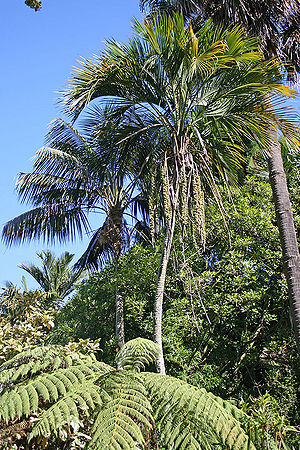
Howea Forsteriana Left, and Howea Belmoreana Centre, Auckland, New Zealand
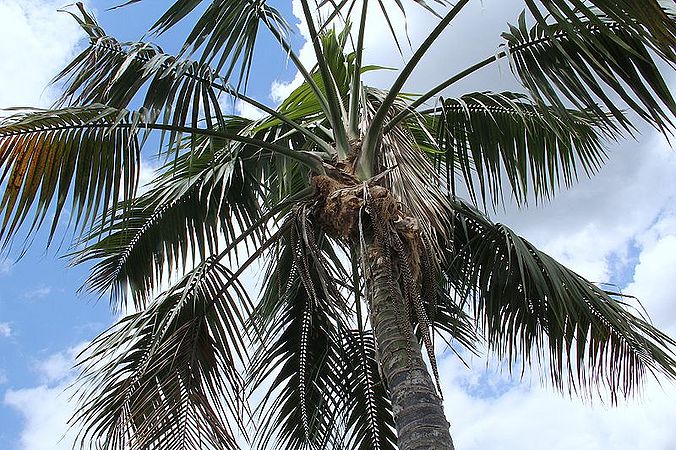
Lord Howe Island, Australia. Photo-Black Diamond Images.

Auckland, New Zealand. Photo-Black Diamond Images.

Sydney, Australia. Photo by Adam.

Sydney, Australia. Photo by Adam.

"Darold has great drainage with his deep sandy soil and is situated in the Sunset area of San Francisco where foggy and overcast conditions persist for weeks in Summer with temperatures in nmidsummer sometimes not exceeding 60 F ( 16 c )." (Troy Donovan). Darold Petty Garden. Photo by Troy Donovan.

Roma Street Parklands, in central Brisbane, Australia. Photo by Daryl O'connor.

La Habra, CA. Photo by Doomsdave.

Santa Barbara, CA. Photo by Kim.

Santa Barbara, CA. Photo by Kim.

Lord Howe Island - Troy & Darold Petty's excellent adventure. Photo by Troy Donovan.

Lord Howe Island - Troy & Darold Petty's excellent adventure. Photo by Troy Donovan.

Lord Howe Island - Troy & Darold Petty's excellent adventure. Photo by Troy Donovan.

Lord Howe Island - Troy & Darold Petty's excellent adventure. Photo by Troy Donovan.

Lord Howe Island - Troy & Darold Petty's excellent adventure. Photo by Troy Donovan.

Lord Howe Island - Troy & Darold Petty's excellent adventure. Entrance to lodging. Photo by Troy Donovan.

Lord Howe Island - Troy & Darold Petty's excellent adventure. Lodging. Photo by Troy Donovan.

Mt. Gower Climb (Lord Howe Island) - Troy & Darold Petty's excellent adventure. Mt. Lidgebird pictured. Photo by Troy Donovan.

Mt. Gower Climb (Lord Howe Island) - Troy & Darold Petty's excellent adventure. Mt. Lidgebird pictured. Photo by Troy Donovan.

Mt. Gower Climb (Lord Howe Island) - Troy & Darold Petty's excellent adventure. Mt. Lidgebird pictured. The guide said that Mt. Lidgebird, was absent of both Hedyscepe and lepidorrachis. Photo by Troy Donovan.

Mt. Gower Climb (Lord Howe Island) - Troy & Darold Petty's excellent adventure. "Jack produced a Hessian strap and gave us a lesson in Climbing Howea forsteriana." Photo by Troy Donovan.

Mt. Gower Climb (Lord Howe Island) - Troy & Darold Petty's excellent adventure. "Jack produced a Hessian strap and gave us a lesson in Climbing Howea forsteriana." Photo by Troy Donovan.

Mt. Gower Climb (Lord Howe Island) - Troy & Darold Petty's excellent adventure. "Jack produced a Hessian strap and gave us a lesson in Climbing Howea forsteriana." "Darold had a go but wasn't up to "spiderman " Jacks effort !." Photo by Troy Donovan.

Old Beach, Tasmania. Garden of Troy Donovan. Photo by Troy Donovan.

Old Beach, Tasmania. Garden of Troy Donovan. Trachycarpus Belmoreana on right. Photo by Troy Donovan.

Roma Street Parklands, Brisbane, Australia. Photo by Paul Latzias.

Roma Street Parklands, Brisbane, Australia. Photo by Paul Latzias.


.jpg)
.jpg)


External Links
- Glossary of Palm Terms
- MODERN BOTANICAL LATIN
- "Just To Be Clear"
- http://www.photomazza.com/?Howeia-forsteriana
- http://www.pacifichorticulture.org/articles/norfolk-and-lord-howe-islands/
- Mt. Gower Climb (Lord Howe Island) - Troy & Darold Petty's excellent adventure. Video by Troy Donovan.
- Mt. Gower Climb (Lord Howe Island) - Troy & Darold Petty's excellent adventure. Video by Troy Donovan.
- Mt. Gower Climb (Lord Howe Island)
References
Phonetic spelling of Latin names by.
Special thanks to Geoff Stein, (Palmbob) for his hundreds of photos.
Special thanks to Palmweb.org, Dr. John Dransfield, Dr. Bill Baker & team, for their volumes of information and photos.
Glossary of Palm Terms; Based on the glossary in Dransfield, J., N.W. Uhl, C.B. Asmussen-Lange, W.J. Baker, M.M. Harley & C.E. Lewis. 2008. Genera Palmarum - Evolution and Classification of the Palms. Royal Botanic Gardens, Kew. All images copyright of the artists and photographers (see images for credits).
Many Special Thanks to Ed Vaile for his long hours of tireless editing and numerous contributions.