Difference between revisions of "Prestoea acuminata"
| (116 intermediate revisions by 3 users not shown) | |||
| Line 1: | Line 1: | ||
| − | {{ | + | __noeditsection__ |
| − | Prestoea acuminata | + | {{Palmbox |
| + | |image=3850302762_55ced660bb_b.jpg | ||
| + | |image_caption="Cerro de la Punta, El Yunque National Forest, Camuy (where the Prestoea acuminata var. montana), and a swimming hole by Patinillas in Puerto Rico." Photo by Kyle Wicomb | ||
| + | |genus=Prestoea (pres-toh-EH-ah) | ||
| + | |species=<br>acuminata (ah-koo-mih-NAH-tah) | ||
| + | |subspecies= | ||
| + | |cultivar= | ||
| + | |synonyms= | ||
| + | |continent=america | ||
| + | |habit=Solitary & clustering, often caespitose. | ||
| + | |leaf_type=Pinnate | ||
| + | |height=6-15 m | ||
| + | |trunk_diameter=4-20 cm | ||
| + | |sun_exposure= | ||
| + | |watering= | ||
| + | |soil_type= | ||
| + | |hardiness= | ||
| + | |common_names=Palmito dulce, Palma ramosilla, PREMON, Sierran palm. | ||
| + | }} | ||
| + | ==Habitat and Distribution== | ||
| + | Bolivia, Colombia, Costa Rica, Cuba, Dominican Republic, Ecuador, Haiti, [[image:3850296538_358a68bf21_o.jpg|thumb|left|450px|"Cerro de la Punta, El Yunque National Forest, Camuy (where the Prestoea acuminata var. montana), and a swimming hole by Patinillas in Puerto Rico." Photo by Kyle Wicomb]]Leeward Is., Nicaragua, Panamá, Peru, Puerto Rico, Trinidad-Tobago, Venezuela, Windward Is. Widespread in the Antilles, Central America, and in the Andes from Colombia to Bolivia at 1000-2500 m elevation. It is found throughout the Greater Antilles as well as the Lesser Antilles of the Caribbean. Generally found in tall mountains of up to 1300 feet high. It forms the forestry of creeks up high in the mountains and on the steep mountainside of the highest peaks in Puerto Rico. It is found in Toro Negro State Forest, in the Puerto Rico Cordillera Central. The plant is native to Puerto Rico. | ||
| + | ==Description== | ||
| + | Stems solitary or caespitose (growing in tufts or clumps), and then with 2-12 stems per plant, erect or slightly leaning, (3+) 6-15 m tall, 4-20 cm in diam., usually gray with lichens, often with a cone of roots visible at the base. Leaves 4-10 per crown, spreading or erect; sheath closed for 1/3-½ its length and forming a partial crownshaft, 26-80 (-108) cm long, green, dark green, purplish, violet, or reddish brown, densely to moderately covered with appressed, brown, fimbriate scales; petiole 0-30 (-60) cm long, densely whitish brown tomentose adaxially, usually glabrous abaxially, glabrescent; rachis (0.6-) 1.1-2.6 m long, with tomentum like that of petiole; pinnae 30-60 per side, regularly spaced and stiffly spreading in the same horizontal plane, seldom erect, subopposite or alternate, linear-lanceolate, coriaceous, with prominent midvein adaxially and abaxially and with several prominent lateral veins, the midvein with ramenta abaxially; basal pinna 39-69 x 0.5-2 cm; middle pinnae (0.3-) 0.6-1.2 m x (2+) 3-6.5 cm; apical pinna 13-34 x 0.5-2.5 cm. Inflorescences corymbose, infrafoliar at anthesis; peduncle 3-20 cm long, 1-3 (-4) cm in diam. at peduncular bract scar, terete or slightly dorsiventrally compressed; prophyll 23-51 cm long, 4-6 (-12) cm in diam.; peduncular bract 63-98 cm long including a 3 cm long umbo, to 6 (-12) cm in diam., almost terete, often with other incomplete bracts present distally; rachis (17+) 40-85 cm long; rachillae 23-117, 18-74 cm long proximally, 9.5-23 cm long distally, to 6 mm in diam. in fruit, each subtended by a small bract or sometimes the proximal few rachillae with bracts to 6 cm long, almost glabrous or typically with scattered to numerous short crustose or granular hairs, occasionally intermixed with a few longer, flexuous, branched hairs or sometimes with a dense covering of branched hairs; flowers in triads proximally, paired or solitary staminate distally; triad bracteole low, apiculate; first flower bracteole obscure, second and third flower bracteoles ± equal, apiculate, 0.3-0.5 mm long; staminate flowers 4-6 mm long, either sessile or on short, flattened pedicels; sepals deltate to narrowly triangular, 1.5-2.5 mm long, gibbous; petals ovate or lanceolate, 3-5.5 mm long, white or pink with purple apex; stamens arranged on a short receptacle; filaments 1.5- 2.5 mm long, flattened; anthers 2-3.5 mm long; pistillode 2-3 mm long, trifid at apex; pistillate flowers 2.5-4 mm long; sepals shallowly triangular or depressed-ovate, 2-4 mm long; petals shallowly triangular to depressed ovate, 2-4 mm long; staminodes deltate or digitate. Fruits globose, rarely ovoid or obovoid, 1-1.2 (-1.8) cm in diam., the stigmatic remains lateral; epicarp purple-black, sparsely and minutely tuberculate; seeds globose, 0.8-1.4 cm in diam.; endosperm ruminate; eophyll bifid. (Gloria Galeano and A. Henderson)/Palmweb. Editing by edric. | ||
| + | {{read more top}} | ||
| + | This is the largest species in the genus, and it is often a conspicuous component of montane forests in Central America and the Andes. Plants from the Antilles have cylindrical rachillae which are glabrous or rarely with a few crustose hairs. Read (1979) reported stellate hairs on specimens from Dominica. Inflorescences are more corymbose than those from mainland populations, and triads are superficial on the rachillae. Antillean specimens also have slightly larger fruits. In general, Antillean populations are more homogeneous than those from the mainland and occur at lower elevations, usually below 1000 m. We recognize them as var. montana, based on the above differences. A few collections from high elevations in the northeastern Andes have very large, almost ellipsoid fruits, with large, persistent perianths. We recognize these as var. dasystachys. Specimens from Central and South America have angular rachillae with either crustose or flexuous hairs, although occasionally both hair types occur together. Rarely rachillae are glabrous. Inflorescences are more elongate, and triads are slightly sunken in the rachillae. Populations usually occur above 1000 m. We recognize this widespread form as var. acuminala. The presence of a partial crownshaft is usually consistent in this variety, but occasionally populations are found with plants with and without partial crownshafts, and these latter forms resemble P. ensiformis. (Gloria Galeano and A. Henderson)/Palmweb. | ||
| + | "A highly variable, medium sized pinnate palm to 8m tall, which can be either solitary or suckering. Typically the solitary form is referred to as P. acuminata var montana (which used to be P. montana), while the suckering form is known as P. acuminata. It has a green, white ringed trunk up to 25cm across, while the crownshaft varies from green through to reddish through to purplish black. The dark green leaves are medium sized, 2.0-2.5m long, and are held in a fairly upright manner." (Brandt Maxwell) | ||
| + | {{read more bottom}} | ||
| + | ==Culture== | ||
| + | "Likes rich, very well drained soil. Usually prefers some shade unless the humidity is very high." (Brandt Maxwell) | ||
| + | <center> | ||
| + | [[{{PFC}}http://www.palmpedia.net/palmsforcal/index.php5/Presteoa_acuminata_var._acuminata]] | ||
| + | </center> | ||
| + | ==Comments and Curiosities== | ||
| + | Etymology: The specific epithet montana, from the Latin, meaning literally; "from the mountain". | ||
| + | |||
| + | Uses: The fruit is eaten by the indigenous, mammals and birds, as well as the leaves of the species are used as thatch for building roofs. Is highly valued by the local population as a source of palm heart, which is the edible young apical meristem. For this reason, there is some local interest in cultivating this species. The fruit of Prestoea montana (Sierra Palm) is the favorite food of the Puerto Rican parrot. The leaf buds are commonly harvested as a food crop, both for local use and for export. The plant is also a source of wood material for thatching. Where growing wild, the plant serves a useful purpose of maintaining the watershed and protecting the soil from erosion. The stem is mainly pithy, with an outer ring of hard, durable wood. This outer stemwood is sometimes hewn into narrow boards for sheathing rural buildings. | ||
| + | {{read more top}} | ||
| + | Three varieties of this species are recognised. Prestoea acuminata var. acuminata, Prestoea acuminata var. dasystachys, and Prestoea acuminata var. montana. | ||
| + | |||
| + | The Ecuadorean plants belong to var. acuminata which is wide spread in Central American mountains and in the Andes. (Borchsenius, F. 1998)/Palmweb. | ||
| + | |||
| + | Prestoea acuminata is the palm most widely found in southern Ecuador. It grows at elevations between 800 and 2600 m on both sides of the Andes range. It has various common names that differ from place to place: palmito, caño, tinguisoor sake. (Van den Eynden, V., E. Cueva, and O. Cabrera. 2004) | ||
| + | |||
| + | "This is a solitary to mostly often clustering species from all over Central America and into northern South America and Puerto Rico. It has a nice, bulging crownshaft of reddish green to purple and a markedly ringed trunk. This variety has not been grown much in southern California and seems a bit touchier than P acuminata var montana, which is a very good grower here in zones 9b. Some varieties have a lot of color in the new growth (spikes) as well as the crownshaft. Related to Euterpe palms, and often also used as food sources (palm heart). The solitary form of P. acuminata (Prestoea acuminata var. montana) often sold as P montana. Thick, ringed green trunk. This palm also has a nice green, large crownshaft. This form is the most cold hardy Prestoea, and can be grown in zone 9b as long as there is overhead protection from hot sun and winds. (Geoff Stein) | ||
| + | |||
| + | "P. acuminata is one of the two famous 'red crownshaft' palms that are found along the Inca Trail in southern Ecuador (the other species being Geonoma undata)." (Brandt Maxwell) | ||
| + | |||
| + | ''Prestoea acuminata'' grows to 3 - 15 metres tall. The plant sometimes produces just one stem, though at other times a cluster of stems are produced; these unbranched stems can be 4 - 20 cm in diameter; they are topped by a crown of 4 - 10 leaves that can be up to 2.6 metres long. Prop roots covered with tubercles often are present at the base. | ||
| + | {{read more bottom}} | ||
| + | |||
| + | <br clear="all"> | ||
| + | {{#Widget:AdResban}} | ||
| + | <center><gallery caption="IMAGE GALLERY" perrow="" widths="" heights=""> | ||
| + | image:97c1637a-667b-4fea-9153-3ca2557beca9.jpg|Prestoea acuminata var. montana, Lyon Arboretum, Hawaii. Photo by Dr. John Dransfield, Royal Botanic Gardens, Kew/Palmweb. | ||
| + | File:pa2785536.jpg|Ecuador. Photo-AAU palm archive/Palmweb. | ||
| + | File:2785535.jpg|Ecuador. Photo-AAU palm archive/Palmweb. | ||
| + | File:pa2788556.jpg|Prestoea acuminata var. montana, Lyon Arboretum, Hawaii. Photo by Dr. John Dransfield, Royal Botanic Gardens, Kew/Palmweb. | ||
| + | File:pa2788576.jpg|Prestoea acuminata var. montana, Lyon Arboretum, Hawaii. Photo by Dr. John Dransfield, Royal Botanic Gardens, Kew/Palmweb. | ||
| + | Image:7259228438_3f98e88f92_b.jpg|Prestoea acuminata var. montana, Tropical Gardens of Maui | ||
| + | image:7259228310_74a59494bb_b.jpg|Prestoea acuminata var. montana, Tropical Gardens of Maui | ||
| + | image:Rich110123eprestoacum.jpg|Hawaii. Photo by BGL | ||
| + | image:PA180034.JPG|Prestoea acuminata var. montana. Gold Coast Hinterland, Queensland. Photo by Brod | ||
| + | image:Paf00.jpg|Cuba. Photo by Jason Schoneman | ||
| + | image:PaIMG_4873.jpg|SoCal. Dennis Willoughby's place, Photo by Troy Donavon. | ||
| + | image:PaDSC_0242.jpg|Mindo, Ecuador. Photo by Jake Kloepfer | ||
| + | image:PaDSC_0255.jpg|Mindo, Ecuador. Photo by Jake Kloepfer | ||
| + | image:PaDSC_0561.jpg|Mindo, Ecuador. Photo by Jake Kloepfer | ||
| + | image:Pa2147.jpg|Hawaii. National Tropical Botanical Garden. Prestoea acuminata var. montana. Photo by Dr. P. Goltra | ||
| + | image:Pa2148.jpg|Hawaii. National Tropical Botanical Garden. Prestoea acuminata var. montana. Photo by Dr. P. Goltra | ||
| + | image:Pa2149.jpg|Hawaii. National Tropical Botanical Garden. Prestoea acuminata var. montana. Photo by Dr. P. Goltra | ||
| + | image:Prestoea_acuminata02.jpg|"About 1300m above sea level near the highest point in Puerto Rico." Prestoea acuminata var. montana. Photo by Brandt Maxwell, Brandt's Palm and Tree Page | ||
| + | image:Prestoea_acuminata.jpg|"About 1300m above sea level near the highest point in Puerto Rico." Prestoea acuminata var. montana. Photo by Brandt Maxwell, Brandt's Palm and Tree Page | ||
| + | image:Prestoea_montana08.jpg|Forest in Toro Negro. Prestoea acuminata var. montana. Photo by Oquendo | ||
| + | image:Prestoea_montana_2.JPG|Sierra palm (Prestoea montana), El Yunque National Forest, Puerto Rico. Photo by Xemenendura | ||
| + | image:Prestoea_montana_1.JPG|El Yunque National Forest, Puerto Rico. Prestoea acuminata var. montana. Photo by Xemenendura | ||
| + | image:Prestoea_montana_3.JPG|El Yunque National Forest, Puerto Rico. On the banks of a creek. Prestoea acuminata var. montana. Photo by Xemenendura | ||
| + | image:Prestoea_montana_4.jpg|El Yunque National Forest, Puerto Rico. Prestoea acuminata var. montana. Photo by Xemenendura | ||
| + | image:98c1e9.jpg|Ho'omaluhia Botanical Garden Kaneohe, Hawaii. Photo by Geoff Stein | ||
| + | image:3f8913.jpg|SoCal. Photo by Geoff Stein | ||
| + | image:Df80c5.jpg|SoCal. Photo by Geoff Stein | ||
| + | image:88b44b.jpg|Hawaii. Photo by Geoff Stein | ||
| + | image:E73914.jpg|Hawaii. Photo by Geoff Stein | ||
| + | File:0cc499.jpg|Hawaii. Photo by Geoff Stein | ||
| + | File:37dfc7.jpg|Hawaii. Photo by Geoff Stein | ||
| + | File:73c0e9.jpg|Hawaii. Photo by Geoff Stein | ||
| + | File:1c2c9f.jpg|Hawaii. Photo by Geoff Stein | ||
| + | image:Eb593c.jpg|El Yunque National Forest, Puerto Rico. Prestoea acuminata var. montana. Photo by basillo | ||
| + | image:6e6875.jpg|El Yunque National Forest, Puerto Rico. Prestoea acuminata var. montana. Photo by basillo | ||
| + | image:90df33.jpg|El Yunque National Forest, Puerto Rico. Prestoea acuminata var. montana. Photo by basillo | ||
| + | image:753cc6.jpg|El Yunque National Forest, Puerto Rico. Prestoea acuminata var. montana. Photo by basillo | ||
| + | image:999f1d.jpg|El Yunque National Forest, Puerto Rico. Prestoea acuminata var. montana. Photo by basillo | ||
| + | image:316173.jpg|El Yunque National Forest, Puerto Rico. Prestoea acuminata var. montana. Photo by basillo | ||
| + | File:prestoea6.jpg|El Yunque National Forest, Puerto Rico. Prestoea acuminata var. montana. Photo by basillo | ||
| + | File:prestoea5.jpg|El Yunque National Forest, Puerto Rico. Prestoea acuminata var. montana. Photo by basillo | ||
| + | File:prestoea3.jpg|El Yunque National Forest, Puerto Rico. Prestoea acuminata var. montana. Photo by basillo | ||
| + | File:prestoea1.jpg|El Yunque National Forest, Puerto Rico. Prestoea acuminata var. montana. Photo by basillo | ||
| + | File:prestoea8.jpg|El Yunque National Forest, Puerto Rico. Prestoea acuminata var. montana. Photo by basillo | ||
| + | File:prestoea13.jpg|El Yunque National Forest, Puerto Rico. Prestoea acuminata var. montana. Photo by basillo | ||
| + | File:prestoea4.jpg|El Yunque National Forest, Puerto Rico. Prestoea acuminata var. montana. Photo by basillo | ||
| + | File:prestoea12.jpg|El Yunque National Forest, Puerto Rico. Prestoea acuminata var. montana. Photo by basillo | ||
| + | File:prestoea14.jpg|El Yunque National Forest, Puerto Rico. Prestoea acuminata var. montana. Photo by basillo | ||
| + | File:prestoea11.jpg|El Yunque National Forest, Puerto Rico. Prestoea acuminata var. montana. Photo by basillo | ||
| + | File:prestoea2.jpg|El Yunque National Forest, Puerto Rico. Prestoea acuminata var. montana. Photo by basillo | ||
| + | File:prestoea7.jpg|El Yunque National Forest, Puerto Rico. Prestoea acuminata var. montana. Photo by basillo | ||
| + | File:prestoea9.jpg|El Yunque National Forest, Puerto Rico. Prestoea acuminata var. montana. Photo by basillo | ||
| + | |||
| + | |||
| + | File:Prestoea_montana_specimen.jpg|Pana'ewa Zoo and Gardens, Hawaii. Photo by Paul Craft. | ||
| + | File:Prestoea_montana_specimen2.jpg|Hawaii. Photo by Paul Craft. | ||
| + | File:Prestoea_montana_habitat_Harris.jpg|acuminata var. montana in habitat, Dominican Republic. Photo by Mike Harris | ||
| + | File:Prestoea_montana_spathe.jpg|Hawaii. Photo by Paul Craft. | ||
| + | File:Prestoea_montana_inflorescence.jpg|Hawaii. Photo by Paul Craft. | ||
| + | File:Prestoea_montana_inflorescences.jpg|Hawaii. Photo by Paul Craft. | ||
| + | File:Prestoea_acuminata_montana_infructescence2.jpg|Hawaii. Photo by Paul Craft. | ||
| + | |||
| + | File:prestoea_acuminata_var._montana_a_grand_riviere_martinique_3.jpg|Martinique. Prestoea acuminata var. montana. Photo: tipalm.fr | ||
| + | File:prestoea_acuminata_var._montana_a_grand_riviere_martinique_28229.jpg|Martinique. Prestoea acuminata var. montana. Photo: tipalm.fr | ||
| + | File:prestoea_acuminata_var._montana_detail_du_bourgeon.jpg|Martinique. Prestoea acuminata var. montana. Photo: tipalm.fr | ||
| + | File:prestoea_acuminata_var_montana_nanifies_sur_le_piton_boucher_martinqiue.jpg|Martinique. Prestoea acuminata var. montana. Photo: tipalm.fr | ||
| + | File:prestoea_acuminata_var_montana_nanifies_sur_le_sommet_du_morne_jacob_martinqiue.jpg|Martinique. Prestoea acuminata var. montana. Photo: tipalm.fr | ||
| + | File:prestoea_acuminata_var_montana_sur_le_sommet_du_piton_lacroix_martinique.jpg|Martinique. Prestoea acuminata var. montana. Photo: tipalm.fr | ||
| + | |||
| + | |||
| + | image:3849508355_83021b3187_b.jpg|"Cerro de la Punta, El Yunque National Forest, Camuy (where the Prestoea acuminata var. montana), and a swimming hole by Patinillas in Puerto Rico." Photo by Kyle Wicomb | ||
| + | image:3849511353_d5313c87fc_b.jpg|"Cerro de la Punta, El Yunque National Forest, Camuy (where the Prestoea acuminata var. montana), and a swimming hole by Patinillas in Puerto Rico." Photo by Kyle Wicomb | ||
| + | image:3849512975_6eb87be7fd_b.jpg|"Cerro de la Punta, El Yunque National Forest, Camuy (where the Prestoea acuminata var. montana), and a swimming hole by Patinillas in Puerto Rico." Photo by Kyle Wicomb | ||
| + | image:3850306212_c52d78d036_b.jpg|"Cerro de la Punta, El Yunque National Forest, Camuy (where the Prestoea acuminata var. montana), and a swimming hole by Patinillas in Puerto Rico." Photo by Kyle Wicomb | ||
| + | image:3849578809_a2c4491191_b.jpg|"Cerro de la Punta, El Yunque National Forest, Camuy (where the Prestoea acuminata var. montana), and a swimming hole by Patinillas in Puerto Rico. Here is a pair growing by La Mina waterfall." Photo by Kyle Wicomb | ||
| + | image:3849519443_137a7a62b8_b.jpg|"Cerro de la Punta, El Yunque National Forest, Camuy (where the Prestoea acuminata var. montana), and a swimming hole by Patinillas in Puerto Rico. La Mina waterfall." Photo by Kyle Wicomb | ||
| + | image:3849521719_5f184d2f7d_b.jpg|"Cerro de la Punta, El Yunque National Forest, Camuy (where the Prestoea acuminata var. montana), and a swimming hole by Patinillas in Puerto Rico. La Mina waterfall. A village of people in the middle of the rainforest!" Photo by Kyle Wicomb | ||
| + | image:3849545235_dcb572f48b_b.jpg|"Cerro de la Punta, El Yunque National Forest, Camuy (where the Prestoea acuminata var. montana), and a swimming hole by Patinillas in Puerto Rico. With a Ficus growing on a limestone rock." Photo by Kyle Wicomb | ||
| + | image:3849516915_86cb989b4f_b.jpg|"Cerro de la Punta, El Yunque National Forest, Camuy (where the Prestoea acuminata var. montana), and a swimming hole by Patinillas in Puerto Rico." Photo by Kyle Wicomb | ||
| + | image:3849542091_6e8239236d_b.jpg|"Cerro de la Punta, El Yunque National Forest, Camuy (where the Prestoea acuminata var. montana), and a swimming hole by Patinillas in Puerto Rico." Photo by Kyle Wicomb | ||
| + | image:3850325580_57c5d3c634_b.jpg|"Cerro de la Punta, El Yunque National Forest, Camuy (where the Prestoea acuminata var. montana), and a swimming hole by Patinillas in Puerto Rico." Photo by Kyle Wicomb | ||
| + | image:3850338708_ddfaa1aa9a_b.jpg|"Cerro de la Punta, El Yunque National Forest, Camuy (where the Prestoea acuminata var. montana), and a swimming hole by Patinillas in Puerto Rico." Photo by Kyle Wicomb | ||
| + | image:3849461781_84de702333_b.jpg|"Cerro de la Punta, El Yunque National Forest, Camuy (where the Prestoea acuminata var. montana), and a swimming hole by Patinillas in Puerto Rico." Photo by Kyle Wicomb | ||
| + | image:3850259916_2e2ba1bc05_b.jpg|"Cerro de la Punta, El Yunque National Forest, Camuy (where the Prestoea acuminata var. montana), and a swimming hole by Patinillas in Puerto Rico." Photo by Kyle Wicomb | ||
| + | image:3850261116_07e29b5248_b.jpg|"Cerro de la Punta, El Yunque National Forest, Camuy (where the Prestoea acuminata var. montana), and a swimming hole by Patinillas in Puerto Rico." Photo by Kyle Wicomb | ||
| + | image:3850288296_79b6121ae1_b.jpg|"Cerro de la Punta, El Yunque National Forest, Camuy (where the Prestoea acuminata var. montana), and a swimming hole by Patinillas in Puerto Rico." Photo by Kyle Wicomb | ||
| + | image:3850294882_ebda5c057c_b.jpg|"Cerro de la Punta, El Yunque National Forest, Camuy (where the Prestoea acuminata var. montana), and a swimming hole by Patinillas in Puerto Rico." Photo by Kyle Wicomb | ||
| + | image:3850296538_358a68bf21_o.jpg|"Cerro de la Punta, El Yunque National Forest, Camuy (where the Prestoea acuminata var. montana), and a swimming hole by Patinillas in Puerto Rico." Photo by Kyle Wicomb | ||
| + | image:3850301354_6759e45083_b.jpg|"Cerro de la Punta, El Yunque National Forest, Camuy (where the Prestoea acuminata var. montana), and a swimming hole by Patinillas in Puerto Rico." Photo by Kyle Wicomb | ||
| + | image:3850302762_55ced660bb_b.jpg|"Cerro de la Punta, El Yunque National Forest, Camuy (where the Prestoea acuminata var. montana), and a swimming hole by Patinillas in Puerto Rico." Photo by Kyle Wicomb | ||
| + | image:3850353570_7c1f3d147a_b.jpg|"Cerro de la Punta, El Yunque National Forest, Camuy (where the Prestoea acuminata var. montana), and a swimming hole by Patinillas in Puerto Rico. Prestoea acuminata var. montana's that I saw by the caves in Camuy. Ironically, these are found in the lowlands!" Photo by Kyle Wicomb | ||
| + | image:3850357756_6506a563cd_b.jpg|"Cerro de la Punta, El Yunque National Forest, Camuy (where the Prestoea acuminata var. montana), and a swimming hole by Patinillas in Puerto Rico. Prestoea acuminata var. montana's that I saw by the caves in Camuy. Ironically, these are found in the lowlands!" Photo by Kyle Wicomb | ||
| + | File:16363967234_8514c59139_o.jpg|Grand Etang in Central Grenadam, Plaisance Land Settlement, Saint Andrew, Grenada. Photo by Kyle Wicomb | ||
| + | |||
| + | File:Box03Image26.jpg|PUERTO RICO: Trail to Mt. Britton 18 18 04.60 N, 65 47 37.78 W. Photo by Dr. D. L. Nickrent. | ||
| + | File:Box03Image27.jpg|PUERTO RICO: Near Mt. Britton trail, along Rt. 191. 18 17 54.17 N, 65 47 27.35 W. Photo by Dr. D. L. Nickrent. | ||
| + | File:141_PrestoeaAcuminata.jpg|COLOMBIA: Bogota: Bogota Botanical Garden; cultivated. 4 40 04.79 N, 74 05 53.43 W. Photo by Dr. D. L. Nickrent. | ||
| + | File:5004015845_ed98c20bdc_o.jpg|Photo by jah bost. | ||
| + | File:5004620260_1ebcb803f8_o.jpg|Photo by jah bost. | ||
| + | File:5004005643_13f3a47648_o.jpg|Photo by jah bost. | ||
| + | File:5003998771_a0fde38609_o.jpg|Photo by jah bost. | ||
| + | File:5003993845_b770845ef0_o.jpg|Photo by jah bost. | ||
| + | File:5316636598_a3cd4c77cf_o.jpg|Mamelle de Petit-Bourg, Guadeloupe. Scanned slide. Photo by Christian Defferrard. | ||
| + | File:100_0076.jpg|Photo: treesandfish.wordpress.com | ||
| + | File:pa2307856138562.JPG|Hawalii. Photo by BGL. | ||
| + | File:pa903575676077.JPG|Hawalii. Photo by BGL. | ||
| + | File:pa6755437675400.JPG|Hawalii. Photo by BGL. | ||
| + | File:pa396782564898011.JPG|Hawalii. Photo by BGL. | ||
| + | File:pa34896673495467.JPG|Hawalii. Photo by BGL. | ||
| + | File:pa4078568967674348.JPG|Hawalii. Photo by BGL. | ||
| + | File:P. acuminata infructescence1.jpg|Hawalii. Photo by BGL. | ||
| + | File:3927014_orig.jpg|McBride Garden, National Tropical Botanical Garden, Kauai. | ||
| + | File:premon1.jpg|Photo: floraelverde.catec.upr.edu | ||
| + | File:premon54567.jpg|Photo: floraelverde.catec.upr.edu | ||
| + | File:prestoea_montana_01.jpg | ||
| + | |||
| + | File:5b1d36996c3cc_Colmbia085.JPG.726f884ce7f394b3ceee85ba7f0b893a.JPG|The José Celestino Mutis botanical garden, Bogotám Colombia. Photo by Mauricio Moreira Caixeta. | ||
| + | File:5b1d3721b44f2_Colmbia083.JPG.59555a1b7e456e47b45f7a2041a9edc7.JPG|The José Celestino Mutis botanical garden, Bogotám Colombia. Photo by Mauricio Moreira Caixeta. | ||
| + | File:5b1d37e1d9423_Colmbia081.JPG.33dc3079eb5ce01404a609a38bab61a8.JPG|The José Celestino Mutis botanical garden, Bogotám Colombia. Photo by Mauricio Moreira Caixeta. | ||
| + | File:5b1d3827c905c_Colmbia082.JPG.6fc12d8c597093013d3be3e0b5e38805.JPG|The José Celestino Mutis botanical garden, Bogotám Colombia. Photo by Mauricio Moreira Caixeta. | ||
| + | File:5b1d393cc111e_Colmbia078.JPG.15d82e144d234993ced84a5c3ae416ed.JPG|The José Celestino Mutis botanical garden, Bogotám Colombia. Photo by Mauricio Moreira Caixeta. | ||
| + | File:5b1d39e78e43a_Colmbia086.JPG.1c71543110a2629400a6a164c92ece70.JPG|The José Celestino Mutis botanical garden, Bogotám Colombia. Photo by Mauricio Moreira Caixeta. | ||
| + | File:5b1d3ac80e311_Colmbia080.JPG.04afae2d10eef3750c1cb4e7439125a4.JPG|The José Celestino Mutis botanical garden, Bogotám Colombia. Photo by Mauricio Moreira Caixeta. | ||
| + | File:5b1d3a5a121f2_Colmbia079.JPG.97329e434efb3325e6612e31a635c6bf.JPG|The José Celestino Mutis botanical garden, Bogotám Colombia. Photo by Mauricio Moreira Caixeta. | ||
| + | |||
| + | File:PreAcu.jpg|Photo: Rare Palm Seeds.com | ||
| + | File:prestoea-acuminata.jpg|Photo: Rare Palm Seeds.com | ||
| + | File:PreMon.jpg|Prestoea acuminata var. montana. Photo: Rare Palm Seeds.com | ||
| + | File:PreMon2.jpg|Prestoea acuminata var. montana. Photo: Rare Palm Seeds.com | ||
| + | image:Normal_Prestoea_acuminata.jpg|Prestoea acuminata (non-montanna). Photo by Jungle Music Palms & Cycads | ||
| + | File:pa21930655912.JPG|Thailand. Photo by Philippe Alvarez. | ||
| + | File:pa57788923319.JPG|Thailand. Photo by Philippe Alvarez. | ||
| + | File:pa4805930117865.JPG|Thailand. Photo by Philippe Alvarez. | ||
| + | File:pa1158449084562177.JPG|Thailand. Photo by Philippe Alvarez. | ||
| + | File:pa671209084452.JPG|Thailand. Photo by Philippe Alvarez. | ||
| + | File:pa45316733290611.JPG|Thailand. Photo by Philippe Alvarez. | ||
| + | File:pa7875409017856.JPG|Thailand. Photo by Philippe Alvarez. | ||
| + | File:pa2151673190684.JPG|Thailand. Photo by Philippe Alvarez. | ||
| + | File:pa2268438675210.JPG|Thailand. Photo by Philippe Alvarez. | ||
| + | File:pa7745190745100.JPG|Thailand. Photo by Philippe Alvarez. | ||
| + | |||
| + | File:pa199.jpg | ||
| + | File:pa1048967725452780.JPG|Photo: treesandfish.wordpress.com | ||
| + | File:pa79872354867782361.JPG|Photo: treesandfish.wordpress.com | ||
| + | File:pa353665560098.JPG | ||
| + | File:pa34117807655.JPG | ||
| + | File:pa237854895789.JPG|Dots indicate location of specimens. | ||
| + | </gallery></center> | ||
| + | ==External Links== | ||
| + | *[http://eunops.org/content/glossary-palm-terms Glossary of Palm Terms] | ||
| + | *[http://www.calflora.net/botanicalnames/pronunciation.html MODERN BOTANICAL LATIN] | ||
| + | *[http://www.jlhudsonseeds.net/Pronunciation.htm "Just To Be Clear"] | ||
| + | *http://www.palmtalk.org/forum/index.php?/topic/56886-prestoea-acuminata/ | ||
| + | ==References== | ||
| + | Phonetic spelling of Latin names by edric. | ||
| + | |||
| + | Special thanks to Geoff Stein, (Palmbob) for his hundreds of photos. | ||
| + | |||
| + | Special thanks to [http://palmweb.org/?q=node/2 Palmweb.org], Dr. John Dransfield, Dr. Bill Baker & team, for their volumes of information and photos. | ||
| + | |||
| + | Glossary of Palm Terms; Based on the glossary in Dransfield, J., N.W. Uhl, C.B. Asmussen-Lange, W.J. Baker, M.M. Harley & C.E. Lewis. 2008. Genera Palmarum - Evolution and Classification of the Palms. Royal Botanic Gardens, Kew. All images copyright of the artists and photographers (see images for credits). | ||
| + | |||
| + | Gloria Galeano and A. Henderson. Flora Neotropica. New York Botanical Garden. | ||
| + | |||
| + | Van den Eynden, V., E. Cueva, and O. Cabrera, Edible palms of Southern Ecuador. 2004. 2004. Edible palms of Southern Ecuador. | ||
| + | |||
| + | {{SpeciesListBackLink}} | ||
[[Category:Palms in Costa Rica]] | [[Category:Palms in Costa Rica]] | ||
| + | [[Category:PRESTOEA|acuminata]] | ||
Latest revision as of 09:42, 15 February 2019
| Prestoea (pres-toh-EH-ah) acuminata (ah-koo-mih-NAH-tah) | ||||||||
|---|---|---|---|---|---|---|---|---|
 "Cerro de la Punta, El Yunque National Forest, Camuy (where the Prestoea acuminata var. montana), and a swimming hole by Patinillas in Puerto Rico." Photo by Kyle Wicomb | ||||||||
| Scientific Classification | ||||||||
| ||||||||
| Synonyms | ||||||||
|
| ||||||||
| Native Continent | ||||||||
 | ||||||||
| Morphology | ||||||||
| ||||||||
| Culture | ||||||||
|
| ||||||||
| Survivability index | ||||||||
|
| ||||||||
| Common names | ||||||||
|
| ||||||||
Contents
Habitat and Distribution
Bolivia, Colombia, Costa Rica, Cuba, Dominican Republic, Ecuador, Haiti,
Description
Stems solitary or caespitose (growing in tufts or clumps), and then with 2-12 stems per plant, erect or slightly leaning, (3+) 6-15 m tall, 4-20 cm in diam., usually gray with lichens, often with a cone of roots visible at the base. Leaves 4-10 per crown, spreading or erect; sheath closed for 1/3-½ its length and forming a partial crownshaft, 26-80 (-108) cm long, green, dark green, purplish, violet, or reddish brown, densely to moderately covered with appressed, brown, fimbriate scales; petiole 0-30 (-60) cm long, densely whitish brown tomentose adaxially, usually glabrous abaxially, glabrescent; rachis (0.6-) 1.1-2.6 m long, with tomentum like that of petiole; pinnae 30-60 per side, regularly spaced and stiffly spreading in the same horizontal plane, seldom erect, subopposite or alternate, linear-lanceolate, coriaceous, with prominent midvein adaxially and abaxially and with several prominent lateral veins, the midvein with ramenta abaxially; basal pinna 39-69 x 0.5-2 cm; middle pinnae (0.3-) 0.6-1.2 m x (2+) 3-6.5 cm; apical pinna 13-34 x 0.5-2.5 cm. Inflorescences corymbose, infrafoliar at anthesis; peduncle 3-20 cm long, 1-3 (-4) cm in diam. at peduncular bract scar, terete or slightly dorsiventrally compressed; prophyll 23-51 cm long, 4-6 (-12) cm in diam.; peduncular bract 63-98 cm long including a 3 cm long umbo, to 6 (-12) cm in diam., almost terete, often with other incomplete bracts present distally; rachis (17+) 40-85 cm long; rachillae 23-117, 18-74 cm long proximally, 9.5-23 cm long distally, to 6 mm in diam. in fruit, each subtended by a small bract or sometimes the proximal few rachillae with bracts to 6 cm long, almost glabrous or typically with scattered to numerous short crustose or granular hairs, occasionally intermixed with a few longer, flexuous, branched hairs or sometimes with a dense covering of branched hairs; flowers in triads proximally, paired or solitary staminate distally; triad bracteole low, apiculate; first flower bracteole obscure, second and third flower bracteoles ± equal, apiculate, 0.3-0.5 mm long; staminate flowers 4-6 mm long, either sessile or on short, flattened pedicels; sepals deltate to narrowly triangular, 1.5-2.5 mm long, gibbous; petals ovate or lanceolate, 3-5.5 mm long, white or pink with purple apex; stamens arranged on a short receptacle; filaments 1.5- 2.5 mm long, flattened; anthers 2-3.5 mm long; pistillode 2-3 mm long, trifid at apex; pistillate flowers 2.5-4 mm long; sepals shallowly triangular or depressed-ovate, 2-4 mm long; petals shallowly triangular to depressed ovate, 2-4 mm long; staminodes deltate or digitate. Fruits globose, rarely ovoid or obovoid, 1-1.2 (-1.8) cm in diam., the stigmatic remains lateral; epicarp purple-black, sparsely and minutely tuberculate; seeds globose, 0.8-1.4 cm in diam.; endosperm ruminate; eophyll bifid. (Gloria Galeano and A. Henderson)/Palmweb. Editing by edric.
| read more |
|---|
|
This is the largest species in the genus, and it is often a conspicuous component of montane forests in Central America and the Andes. Plants from the Antilles have cylindrical rachillae which are glabrous or rarely with a few crustose hairs. Read (1979) reported stellate hairs on specimens from Dominica. Inflorescences are more corymbose than those from mainland populations, and triads are superficial on the rachillae. Antillean specimens also have slightly larger fruits. In general, Antillean populations are more homogeneous than those from the mainland and occur at lower elevations, usually below 1000 m. We recognize them as var. montana, based on the above differences. A few collections from high elevations in the northeastern Andes have very large, almost ellipsoid fruits, with large, persistent perianths. We recognize these as var. dasystachys. Specimens from Central and South America have angular rachillae with either crustose or flexuous hairs, although occasionally both hair types occur together. Rarely rachillae are glabrous. Inflorescences are more elongate, and triads are slightly sunken in the rachillae. Populations usually occur above 1000 m. We recognize this widespread form as var. acuminala. The presence of a partial crownshaft is usually consistent in this variety, but occasionally populations are found with plants with and without partial crownshafts, and these latter forms resemble P. ensiformis. (Gloria Galeano and A. Henderson)/Palmweb. "A highly variable, medium sized pinnate palm to 8m tall, which can be either solitary or suckering. Typically the solitary form is referred to as P. acuminata var montana (which used to be P. montana), while the suckering form is known as P. acuminata. It has a green, white ringed trunk up to 25cm across, while the crownshaft varies from green through to reddish through to purplish black. The dark green leaves are medium sized, 2.0-2.5m long, and are held in a fairly upright manner." (Brandt Maxwell) |
Culture
"Likes rich, very well drained soil. Usually prefers some shade unless the humidity is very high." (Brandt Maxwell)

Comments and Curiosities
Etymology: The specific epithet montana, from the Latin, meaning literally; "from the mountain".
Uses: The fruit is eaten by the indigenous, mammals and birds, as well as the leaves of the species are used as thatch for building roofs. Is highly valued by the local population as a source of palm heart, which is the edible young apical meristem. For this reason, there is some local interest in cultivating this species. The fruit of Prestoea montana (Sierra Palm) is the favorite food of the Puerto Rican parrot. The leaf buds are commonly harvested as a food crop, both for local use and for export. The plant is also a source of wood material for thatching. Where growing wild, the plant serves a useful purpose of maintaining the watershed and protecting the soil from erosion. The stem is mainly pithy, with an outer ring of hard, durable wood. This outer stemwood is sometimes hewn into narrow boards for sheathing rural buildings.
| read more |
|---|
|
Three varieties of this species are recognised. Prestoea acuminata var. acuminata, Prestoea acuminata var. dasystachys, and Prestoea acuminata var. montana. The Ecuadorean plants belong to var. acuminata which is wide spread in Central American mountains and in the Andes. (Borchsenius, F. 1998)/Palmweb. Prestoea acuminata is the palm most widely found in southern Ecuador. It grows at elevations between 800 and 2600 m on both sides of the Andes range. It has various common names that differ from place to place: palmito, caño, tinguisoor sake. (Van den Eynden, V., E. Cueva, and O. Cabrera. 2004) "This is a solitary to mostly often clustering species from all over Central America and into northern South America and Puerto Rico. It has a nice, bulging crownshaft of reddish green to purple and a markedly ringed trunk. This variety has not been grown much in southern California and seems a bit touchier than P acuminata var montana, which is a very good grower here in zones 9b. Some varieties have a lot of color in the new growth (spikes) as well as the crownshaft. Related to Euterpe palms, and often also used as food sources (palm heart). The solitary form of P. acuminata (Prestoea acuminata var. montana) often sold as P montana. Thick, ringed green trunk. This palm also has a nice green, large crownshaft. This form is the most cold hardy Prestoea, and can be grown in zone 9b as long as there is overhead protection from hot sun and winds. (Geoff Stein) "P. acuminata is one of the two famous 'red crownshaft' palms that are found along the Inca Trail in southern Ecuador (the other species being Geonoma undata)." (Brandt Maxwell) Prestoea acuminata grows to 3 - 15 metres tall. The plant sometimes produces just one stem, though at other times a cluster of stems are produced; these unbranched stems can be 4 - 20 cm in diameter; they are topped by a crown of 4 - 10 leaves that can be up to 2.6 metres long. Prop roots covered with tubercles often are present at the base. |
- IMAGE GALLERY

Prestoea acuminata var. montana, Lyon Arboretum, Hawaii. Photo by Dr. John Dransfield, Royal Botanic Gardens, Kew/Palmweb.

Ecuador. Photo-AAU palm archive/Palmweb.

Ecuador. Photo-AAU palm archive/Palmweb.

Prestoea acuminata var. montana, Lyon Arboretum, Hawaii. Photo by Dr. John Dransfield, Royal Botanic Gardens, Kew/Palmweb.

Prestoea acuminata var. montana, Lyon Arboretum, Hawaii. Photo by Dr. John Dransfield, Royal Botanic Gardens, Kew/Palmweb.

Prestoea acuminata var. montana, Tropical Gardens of Maui

Prestoea acuminata var. montana, Tropical Gardens of Maui

Hawaii. Photo by BGL

Prestoea acuminata var. montana. Gold Coast Hinterland, Queensland. Photo by Brod

Cuba. Photo by Jason Schoneman

SoCal. Dennis Willoughby's place, Photo by Troy Donavon.

Mindo, Ecuador. Photo by Jake Kloepfer

Mindo, Ecuador. Photo by Jake Kloepfer

Mindo, Ecuador. Photo by Jake Kloepfer

Hawaii. National Tropical Botanical Garden. Prestoea acuminata var. montana. Photo by Dr. P. Goltra

Hawaii. National Tropical Botanical Garden. Prestoea acuminata var. montana. Photo by Dr. P. Goltra

Hawaii. National Tropical Botanical Garden. Prestoea acuminata var. montana. Photo by Dr. P. Goltra

"About 1300m above sea level near the highest point in Puerto Rico." Prestoea acuminata var. montana. Photo by Brandt Maxwell, Brandt's Palm and Tree Page

"About 1300m above sea level near the highest point in Puerto Rico." Prestoea acuminata var. montana. Photo by Brandt Maxwell, Brandt's Palm and Tree Page

Forest in Toro Negro. Prestoea acuminata var. montana. Photo by Oquendo

Sierra palm (Prestoea montana), El Yunque National Forest, Puerto Rico. Photo by Xemenendura

El Yunque National Forest, Puerto Rico. Prestoea acuminata var. montana. Photo by Xemenendura

El Yunque National Forest, Puerto Rico. On the banks of a creek. Prestoea acuminata var. montana. Photo by Xemenendura

El Yunque National Forest, Puerto Rico. Prestoea acuminata var. montana. Photo by Xemenendura

Ho'omaluhia Botanical Garden Kaneohe, Hawaii. Photo by Geoff Stein

SoCal. Photo by Geoff Stein

SoCal. Photo by Geoff Stein

Hawaii. Photo by Geoff Stein

Hawaii. Photo by Geoff Stein

Hawaii. Photo by Geoff Stein

Hawaii. Photo by Geoff Stein

Hawaii. Photo by Geoff Stein

Hawaii. Photo by Geoff Stein

El Yunque National Forest, Puerto Rico. Prestoea acuminata var. montana. Photo by basillo

El Yunque National Forest, Puerto Rico. Prestoea acuminata var. montana. Photo by basillo

El Yunque National Forest, Puerto Rico. Prestoea acuminata var. montana. Photo by basillo

El Yunque National Forest, Puerto Rico. Prestoea acuminata var. montana. Photo by basillo

El Yunque National Forest, Puerto Rico. Prestoea acuminata var. montana. Photo by basillo

El Yunque National Forest, Puerto Rico. Prestoea acuminata var. montana. Photo by basillo

El Yunque National Forest, Puerto Rico. Prestoea acuminata var. montana. Photo by basillo

El Yunque National Forest, Puerto Rico. Prestoea acuminata var. montana. Photo by basillo

El Yunque National Forest, Puerto Rico. Prestoea acuminata var. montana. Photo by basillo

El Yunque National Forest, Puerto Rico. Prestoea acuminata var. montana. Photo by basillo

El Yunque National Forest, Puerto Rico. Prestoea acuminata var. montana. Photo by basillo

El Yunque National Forest, Puerto Rico. Prestoea acuminata var. montana. Photo by basillo

El Yunque National Forest, Puerto Rico. Prestoea acuminata var. montana. Photo by basillo

El Yunque National Forest, Puerto Rico. Prestoea acuminata var. montana. Photo by basillo

El Yunque National Forest, Puerto Rico. Prestoea acuminata var. montana. Photo by basillo

El Yunque National Forest, Puerto Rico. Prestoea acuminata var. montana. Photo by basillo

El Yunque National Forest, Puerto Rico. Prestoea acuminata var. montana. Photo by basillo

El Yunque National Forest, Puerto Rico. Prestoea acuminata var. montana. Photo by basillo

El Yunque National Forest, Puerto Rico. Prestoea acuminata var. montana. Photo by basillo

Pana'ewa Zoo and Gardens, Hawaii. Photo by Paul Craft.

Hawaii. Photo by Paul Craft.

acuminata var. montana in habitat, Dominican Republic. Photo by Mike Harris

Hawaii. Photo by Paul Craft.

Hawaii. Photo by Paul Craft.

Hawaii. Photo by Paul Craft.

Hawaii. Photo by Paul Craft.

Martinique. Prestoea acuminata var. montana. Photo: tipalm.fr

Martinique. Prestoea acuminata var. montana. Photo: tipalm.fr

Martinique. Prestoea acuminata var. montana. Photo: tipalm.fr

Martinique. Prestoea acuminata var. montana. Photo: tipalm.fr

Martinique. Prestoea acuminata var. montana. Photo: tipalm.fr

Martinique. Prestoea acuminata var. montana. Photo: tipalm.fr

"Cerro de la Punta, El Yunque National Forest, Camuy (where the Prestoea acuminata var. montana), and a swimming hole by Patinillas in Puerto Rico." Photo by Kyle Wicomb

"Cerro de la Punta, El Yunque National Forest, Camuy (where the Prestoea acuminata var. montana), and a swimming hole by Patinillas in Puerto Rico." Photo by Kyle Wicomb

"Cerro de la Punta, El Yunque National Forest, Camuy (where the Prestoea acuminata var. montana), and a swimming hole by Patinillas in Puerto Rico." Photo by Kyle Wicomb

"Cerro de la Punta, El Yunque National Forest, Camuy (where the Prestoea acuminata var. montana), and a swimming hole by Patinillas in Puerto Rico." Photo by Kyle Wicomb

"Cerro de la Punta, El Yunque National Forest, Camuy (where the Prestoea acuminata var. montana), and a swimming hole by Patinillas in Puerto Rico. Here is a pair growing by La Mina waterfall." Photo by Kyle Wicomb

"Cerro de la Punta, El Yunque National Forest, Camuy (where the Prestoea acuminata var. montana), and a swimming hole by Patinillas in Puerto Rico. La Mina waterfall." Photo by Kyle Wicomb

"Cerro de la Punta, El Yunque National Forest, Camuy (where the Prestoea acuminata var. montana), and a swimming hole by Patinillas in Puerto Rico. La Mina waterfall. A village of people in the middle of the rainforest!" Photo by Kyle Wicomb

"Cerro de la Punta, El Yunque National Forest, Camuy (where the Prestoea acuminata var. montana), and a swimming hole by Patinillas in Puerto Rico. With a Ficus growing on a limestone rock." Photo by Kyle Wicomb

"Cerro de la Punta, El Yunque National Forest, Camuy (where the Prestoea acuminata var. montana), and a swimming hole by Patinillas in Puerto Rico." Photo by Kyle Wicomb

"Cerro de la Punta, El Yunque National Forest, Camuy (where the Prestoea acuminata var. montana), and a swimming hole by Patinillas in Puerto Rico." Photo by Kyle Wicomb

"Cerro de la Punta, El Yunque National Forest, Camuy (where the Prestoea acuminata var. montana), and a swimming hole by Patinillas in Puerto Rico." Photo by Kyle Wicomb

"Cerro de la Punta, El Yunque National Forest, Camuy (where the Prestoea acuminata var. montana), and a swimming hole by Patinillas in Puerto Rico." Photo by Kyle Wicomb

"Cerro de la Punta, El Yunque National Forest, Camuy (where the Prestoea acuminata var. montana), and a swimming hole by Patinillas in Puerto Rico." Photo by Kyle Wicomb

"Cerro de la Punta, El Yunque National Forest, Camuy (where the Prestoea acuminata var. montana), and a swimming hole by Patinillas in Puerto Rico." Photo by Kyle Wicomb

"Cerro de la Punta, El Yunque National Forest, Camuy (where the Prestoea acuminata var. montana), and a swimming hole by Patinillas in Puerto Rico." Photo by Kyle Wicomb

"Cerro de la Punta, El Yunque National Forest, Camuy (where the Prestoea acuminata var. montana), and a swimming hole by Patinillas in Puerto Rico." Photo by Kyle Wicomb

"Cerro de la Punta, El Yunque National Forest, Camuy (where the Prestoea acuminata var. montana), and a swimming hole by Patinillas in Puerto Rico." Photo by Kyle Wicomb

"Cerro de la Punta, El Yunque National Forest, Camuy (where the Prestoea acuminata var. montana), and a swimming hole by Patinillas in Puerto Rico." Photo by Kyle Wicomb

"Cerro de la Punta, El Yunque National Forest, Camuy (where the Prestoea acuminata var. montana), and a swimming hole by Patinillas in Puerto Rico." Photo by Kyle Wicomb

"Cerro de la Punta, El Yunque National Forest, Camuy (where the Prestoea acuminata var. montana), and a swimming hole by Patinillas in Puerto Rico." Photo by Kyle Wicomb

"Cerro de la Punta, El Yunque National Forest, Camuy (where the Prestoea acuminata var. montana), and a swimming hole by Patinillas in Puerto Rico. Prestoea acuminata var. montana's that I saw by the caves in Camuy. Ironically, these are found in the lowlands!" Photo by Kyle Wicomb

"Cerro de la Punta, El Yunque National Forest, Camuy (where the Prestoea acuminata var. montana), and a swimming hole by Patinillas in Puerto Rico. Prestoea acuminata var. montana's that I saw by the caves in Camuy. Ironically, these are found in the lowlands!" Photo by Kyle Wicomb

Grand Etang in Central Grenadam, Plaisance Land Settlement, Saint Andrew, Grenada. Photo by Kyle Wicomb

PUERTO RICO: Trail to Mt. Britton 18 18 04.60 N, 65 47 37.78 W. Photo by Dr. D. L. Nickrent.

PUERTO RICO: Near Mt. Britton trail, along Rt. 191. 18 17 54.17 N, 65 47 27.35 W. Photo by Dr. D. L. Nickrent.

COLOMBIA: Bogota: Bogota Botanical Garden; cultivated. 4 40 04.79 N, 74 05 53.43 W. Photo by Dr. D. L. Nickrent.

Photo by jah bost.

Photo by jah bost.

Photo by jah bost.

Photo by jah bost.

Photo by jah bost.

Mamelle de Petit-Bourg, Guadeloupe. Scanned slide. Photo by Christian Defferrard.

Photo: treesandfish.wordpress.com

Hawalii. Photo by BGL.

Hawalii. Photo by BGL.

Hawalii. Photo by BGL.

Hawalii. Photo by BGL.

Hawalii. Photo by BGL.

Hawalii. Photo by BGL.

Hawalii. Photo by BGL.

McBride Garden, National Tropical Botanical Garden, Kauai.

Photo: floraelverde.catec.upr.edu

Photo: floraelverde.catec.upr.edu


The José Celestino Mutis botanical garden, Bogotám Colombia. Photo by Mauricio Moreira Caixeta.

The José Celestino Mutis botanical garden, Bogotám Colombia. Photo by Mauricio Moreira Caixeta.

The José Celestino Mutis botanical garden, Bogotám Colombia. Photo by Mauricio Moreira Caixeta.

The José Celestino Mutis botanical garden, Bogotám Colombia. Photo by Mauricio Moreira Caixeta.

The José Celestino Mutis botanical garden, Bogotám Colombia. Photo by Mauricio Moreira Caixeta.

The José Celestino Mutis botanical garden, Bogotám Colombia. Photo by Mauricio Moreira Caixeta.

The José Celestino Mutis botanical garden, Bogotám Colombia. Photo by Mauricio Moreira Caixeta.

The José Celestino Mutis botanical garden, Bogotám Colombia. Photo by Mauricio Moreira Caixeta.
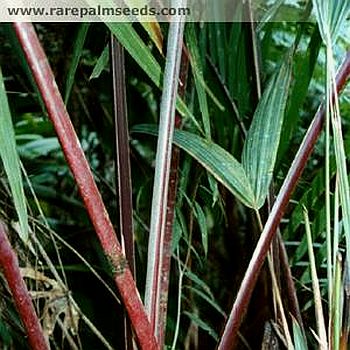
Photo: Rare Palm Seeds.com

Photo: Rare Palm Seeds.com

Prestoea acuminata var. montana. Photo: Rare Palm Seeds.com

Prestoea acuminata var. montana. Photo: Rare Palm Seeds.com
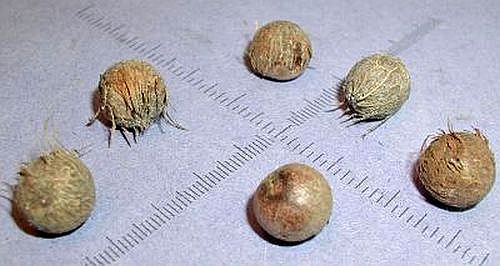
Prestoea acuminata (non-montanna). Photo by Jungle Music Palms & Cycads

Thailand. Photo by Philippe Alvarez.

Thailand. Photo by Philippe Alvarez.

Thailand. Photo by Philippe Alvarez.

Thailand. Photo by Philippe Alvarez.

Thailand. Photo by Philippe Alvarez.

Thailand. Photo by Philippe Alvarez.

Thailand. Photo by Philippe Alvarez.

Thailand. Photo by Philippe Alvarez.

Thailand. Photo by Philippe Alvarez.

Thailand. Photo by Philippe Alvarez.


Photo: treesandfish.wordpress.com

Photo: treesandfish.wordpress.com


Dots indicate location of specimens.


External Links
- Glossary of Palm Terms
- MODERN BOTANICAL LATIN
- "Just To Be Clear"
- http://www.palmtalk.org/forum/index.php?/topic/56886-prestoea-acuminata/
References
Phonetic spelling of Latin names by edric.
Special thanks to Geoff Stein, (Palmbob) for his hundreds of photos.
Special thanks to Palmweb.org, Dr. John Dransfield, Dr. Bill Baker & team, for their volumes of information and photos.
Glossary of Palm Terms; Based on the glossary in Dransfield, J., N.W. Uhl, C.B. Asmussen-Lange, W.J. Baker, M.M. Harley & C.E. Lewis. 2008. Genera Palmarum - Evolution and Classification of the Palms. Royal Botanic Gardens, Kew. All images copyright of the artists and photographers (see images for credits).
Gloria Galeano and A. Henderson. Flora Neotropica. New York Botanical Garden.
Van den Eynden, V., E. Cueva, and O. Cabrera, Edible palms of Southern Ecuador. 2004. 2004. Edible palms of Southern Ecuador.
Many Special Thanks to Ed Vaile for his long hours of tireless editing and numerous contributions.