Difference between revisions of "Pritchardia kaalae"
| Line 31: | Line 31: | ||
==Comments and Curiosities== | ==Comments and Curiosities== | ||
| + | {{read more top}} | ||
Etymology: Pritchardia name is dedicated to William Thomas Pritchard (1829-1907), British official stationed in Fiji in the 19th Century, British counsul in Fiji, adventurer, and author of Polynesian Reminiscences in 1866. | Etymology: Pritchardia name is dedicated to William Thomas Pritchard (1829-1907), British official stationed in Fiji in the 19th Century, British counsul in Fiji, adventurer, and author of Polynesian Reminiscences in 1866. | ||
| Line 38: | Line 39: | ||
"Native to Oahu. 30' tall with dark green leaves split about half their length. Flowers are longer than the leaves (sometimes quite a bit so). Moderately cold hardy and numerous examples growing in southern California. Mild frost damage in high 20s. This has been a good grower for me, though it is a bit 'ordinary' looking for a Pritchardia. The seedlings have a nice yellowy stripe down the center of the leaves, but otherwise it could be a P hillebrandii- standard mod sized leaves, not quite semicircular, moderately split and green petioles. It is a moderately slow palm (but not as slow as P martii) and a bit touchy about direct, hot sun. In So Cal, prefers some shade in hotter parts of the day. This species is from Oahu and it is in danger of extinction there. There are many of them in cultivation around the world now." (Geoff Stein) | "Native to Oahu. 30' tall with dark green leaves split about half their length. Flowers are longer than the leaves (sometimes quite a bit so). Moderately cold hardy and numerous examples growing in southern California. Mild frost damage in high 20s. This has been a good grower for me, though it is a bit 'ordinary' looking for a Pritchardia. The seedlings have a nice yellowy stripe down the center of the leaves, but otherwise it could be a P hillebrandii- standard mod sized leaves, not quite semicircular, moderately split and green petioles. It is a moderately slow palm (but not as slow as P martii) and a bit touchy about direct, hot sun. In So Cal, prefers some shade in hotter parts of the day. This species is from Oahu and it is in danger of extinction there. There are many of them in cultivation around the world now." (Geoff Stein) | ||
| + | {{read more bottom}} | ||
==External Links== | ==External Links== | ||
*[http://eunops.org/content/glossary-palm-terms Glossary of Palm Terms] | *[http://eunops.org/content/glossary-palm-terms Glossary of Palm Terms] | ||
Revision as of 23:15, 12 July 2014
| Pritchardia (pritch-AHR-dee-ah) kaalae {kah-AHL-eh) | |||||||
|---|---|---|---|---|---|---|---|
 The Huntington Botanical Gardens - Labelled as Pritchardia kaalae var. minima. California. Photo by Growin, edric. | |||||||
| Scientific Classification | |||||||
| |||||||
| Synonyms | |||||||
|
| |||||||
| Native Continent | |||||||
 | |||||||
| Morphology | |||||||
| |||||||
| Culture | |||||||
|
| |||||||
| Survivability index | |||||||
|
| |||||||
| Common names | |||||||
|
| |||||||
Contents
Habitat and Distribution
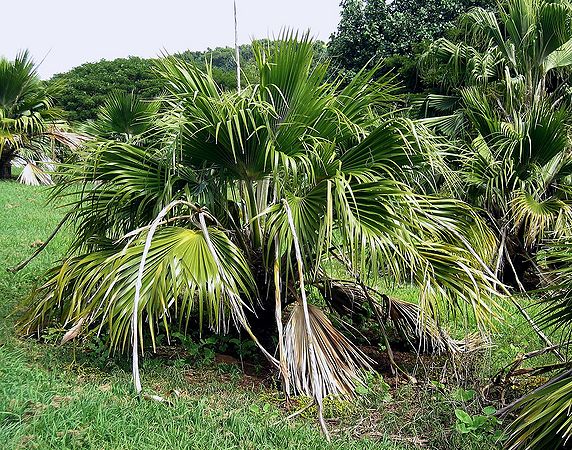
Hawaii. Moist forest in valleys or on exposed ridges in the northern and northwestern Waianae Mountains, Oahu, 450--980 m elevation. Also known as loulu palm, is a species of palm tree that is endemic to the western part of the island of Oʻahu in Hawaiʻi, found only on the ridgelines above the Makua Valley Military Reservation on the Island of Oahu. The success of the Oahu Natural Resource Program in managing species like Pritchardia is directly tied to the success of military training in Hawaii. The Army’s live-fire training areas on Oahu are used by more than 20,000 soldiers, Marines, Airforce, Navy, National Guard, and local police departments for training. Growing near springs in the dry forests on the Waiʻanae Range at elevations up to 2,500 feet (760 m), this slow growing species reaches a height of 25 feet (7.6 m), with a trunk diameter of 1 foot (0.30 m).

Description
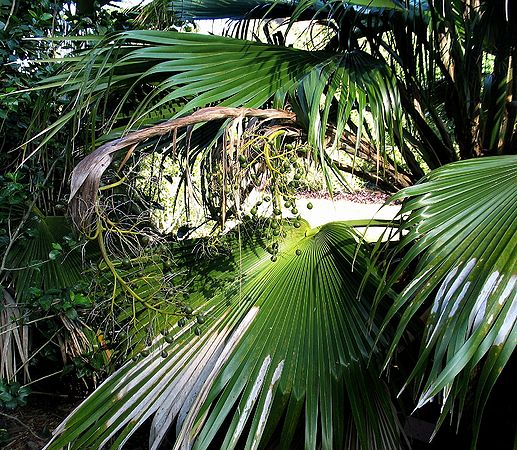
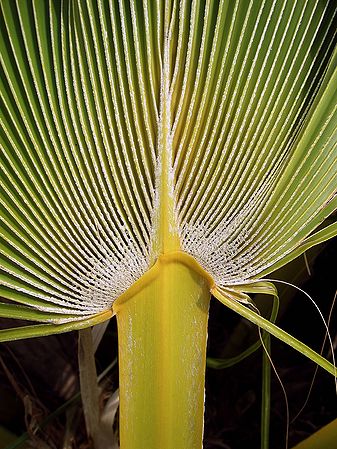
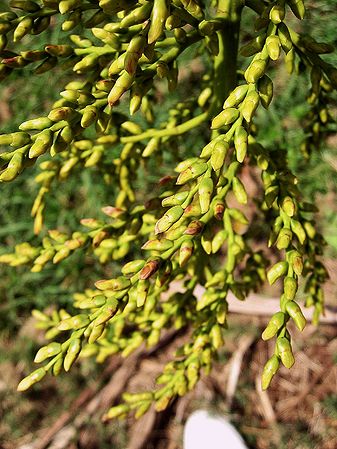
To 10 m tall; proximal margins of petioie with only a few fibers; ieaf blade slightiy undulate, divided 1/3-1/2, abaxial surface incompieteiy covered with scattered lepidia, segment tips stiff to drooping; inflorescences composed of 1-3 panicles, equaling to exceeding leaf blades in flower, exceeding leaf blades in fruit, panicles branched to 2 orders, rachiIlae glabrous; fruits 25 x 25 mm, globose. (Hodel, D. 2007)/Palmweb. Editing by edric.
Among the Hawaiian species, Pritchardia kaalae is distinctive in its leaf blades incompletely covered abaxially with lepidia and inflorescences equaling or exceeding the leaf blades in flower and exceeding them in fruit. The other Hawaiian species with exceedingly long inflorescences, P. hardy; and some forms of P. martii, differ in their leaf blades compietely covered abaxiaily with lepidia. Pritchardia thurstonii, a South Pacific species, has leaf blades incompletely covered abaxially with lepidia and inflorescences exceeding the leaf blades; however, it differs in its flat leaf blades only shallowly divided and with stiff segment tips, lepidia conspicuously arranged in parallel lines, and smaller fruits. (Hodel, D. 2007)/Palmweb.
Pritchardia kaalae var. minima: Palm about 5 metres high. The leaves are dark green, very large with drooping points, smooth above but waxy glaucous and closely dotted below with rusty scales. The lower costae are clothed in tawny fawn felt. This species is amongst the most attractive of the genus, especially as a seedling. The inflorescence, (similar to P. hardyi), is up to 2 meters in length. The fruits are smooth globose around 20 mm diameter with seeds 12-15mm in diameter
Culture
Comments and Curiosities
| read more |
|---|
|
Etymology: Pritchardia name is dedicated to William Thomas Pritchard (1829-1907), British official stationed in Fiji in the 19th Century, British counsul in Fiji, adventurer, and author of Polynesian Reminiscences in 1866. Conservation: Pritchardia kaalae is listed as critically endangered on the IUCH Red List of Threatened Species as it is considered to be facing extreme risk of extinction in the wild in the immediate future. It is recognized as endangered and is therefore protected under the US Endangered Species Act in 1996. Only 170 individuals remain in the wild which are considered to represent a single population. Threats to the persistence of these populations include competition with introduced, non-native species such as Christmas berry (Schinus terebinthifolius), predation of the seeds by introduced rats (Rattus sp.) and trampling and habitat disturbance by feral pigs (Sus scrofa). The small number of Pritchardia kaalae individuals makes it vulnerable to extinction as a result of natural and human disturbance and resulting habitat loss. Reduction in reproductive success is possible when species contain few individuals as a result of increased inbreeding, that is reproduction between genetically closely related individuals. (ntbg.org) As of 1998 there were fewer than 130 individuals remaining in the wild. This is a federally listed endangered species of the United States. "Native to Oahu. 30' tall with dark green leaves split about half their length. Flowers are longer than the leaves (sometimes quite a bit so). Moderately cold hardy and numerous examples growing in southern California. Mild frost damage in high 20s. This has been a good grower for me, though it is a bit 'ordinary' looking for a Pritchardia. The seedlings have a nice yellowy stripe down the center of the leaves, but otherwise it could be a P hillebrandii- standard mod sized leaves, not quite semicircular, moderately split and green petioles. It is a moderately slow palm (but not as slow as P martii) and a bit touchy about direct, hot sun. In So Cal, prefers some shade in hotter parts of the day. This species is from Oahu and it is in danger of extinction there. There are many of them in cultivation around the world now." (Geoff Stein) |
External Links
- Glossary of Palm Terms
- MODERN BOTANICAL LATIN
- "Just To Be Clear"
- A Must See
- http://www.flickr.com/photos/53189052@N08/4904387444/in/photostream/
- http://botany.cz/cs/pritchardia-kaalae/
- http://myloulu.wordpress.com/2010/09/13/the-island-of-oahu/
- http://myloulu.wordpress.com/2010/09/08/the-island-of-maui/
- http://myloulu.wordpress.com/2010/09/27/the-islands-of-niihau-and-nihoa/
- http://myloulu.wordpress.com/2010/09/06/the-island-of-hawaii/
- http://myloulu.wordpress.com/2010/09/21/the-island-of-kauai/
- http://myloulu.wordpress.com/2010/09/08/the-island-of-lanai/
- http://myloulu.wordpress.com/2010/09/08/island-of-molokai/
- http://hanapalms.wordpress.com/2010/07/
- http://www.biomedcentral.com/1471-2148/12/23
- Pritchardia kaalae: Final Implementation Plan for Makua Military Reservation, Island of Oahu.
References
Phonetic spelling of Latin names by edric.
Special thanks to Geoff Stein, (Palmbob) for his hundreds of photos.
Special thanks to Palmweb.org, Dr. John Dransfield, Dr. Bill Baker & team, for their volumes of information and photos.
Glossary of Palm Terms; Based on the glossary in Dransfield, J., N.W. Uhl, C.B. Asmussen-Lange, W.J. Baker, M.M. Harley & C.E. Lewis. 2008. Genera Palmarum - Evolution and Classification of the Palms. Royal Botanic Gardens, Kew. All images copyright of the artists and photographers (see images for credits).
Hodel, D. 2007.
- IMAGE GALLERY

Fallbrook, California.
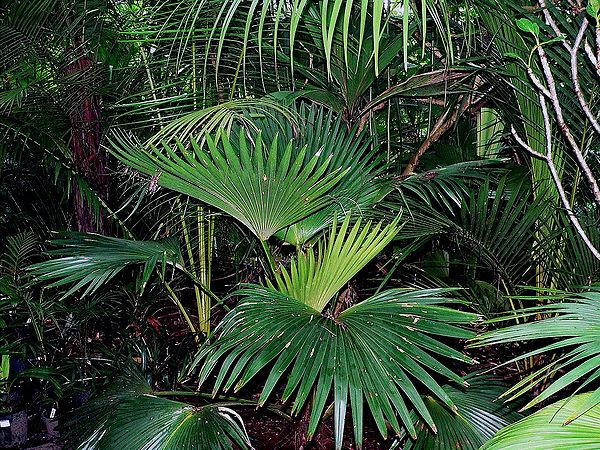
Gold Coast Hinterland, Queensland. Photo by Daryl O'Connor, edric.

Audobon Center, Oahu, Hawaii. Photo by Geoff Stein, edric.

Huntington Botanical Gardens, Pasadena, California. Photo by Geoff Stein, edric.
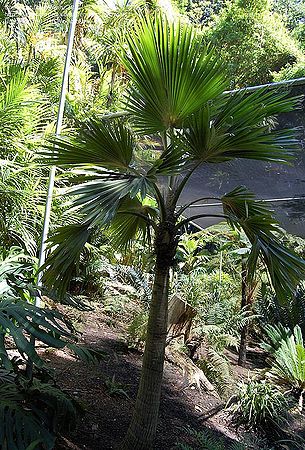
The Huntington Botanical Gardens - Labelled as Pritchardia kaalae var. minima. California. Photo by Growin, edric.
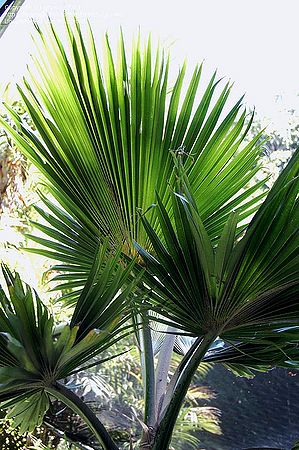
The Huntington Botanical Gardens - Labelled as Pritchardia kaalae var. minima. California. Photo by Growin, edric.
Hawaii. Photo by Dr. David Eickhoff, edric.

Hawaii. Photo by Dr. David Eickhoff, edric.

Hawaii. Photo by Dr. David Eickhoff, edric.

McBryde Garden, Koloa, Hawaii. Photo by Dr. P. Gotra, edric.
McBryde Garden, Koloa, Hawaii. Photo by Dr. P. Gotra, edric.

McBryde Garden, Koloa, Hawaii. Photo by Dr. P. Gotra, edric.
McBryde Garden, Koloa, Hawaii. Photo by Dr. P. Gotra, edric.

McBryde Garden, Koloa, Hawaii. Photo by Dr. P. Gotra, edric.

McBryde Garden, Koloa, Hawaii. Photo by Dr. P. Gotra, edric.
McBryde Garden, Koloa, Hawaii. Photo by Dr. P. Gotra, edric.
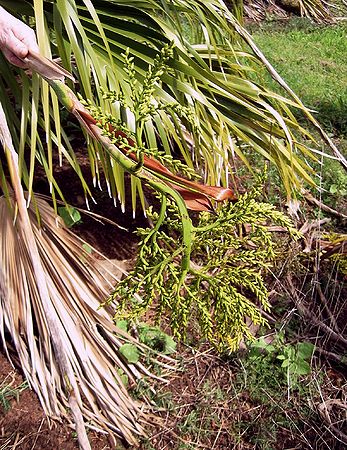
McBryde Garden, Koloa, Hawaii. Photo by Dr. P. Gotra, edric.

McBryde Garden, Koloa, Hawaii. Photo by Dr. P. Gotra, edric.

On the ridgeline above the Makua Valley Military Reservation on the Island of Oahu, Hawaii. Photo by Magnus Manske, edric.

Photo by Steve Rohrmayer, edric.

Photo by Colin Wilson, edric.
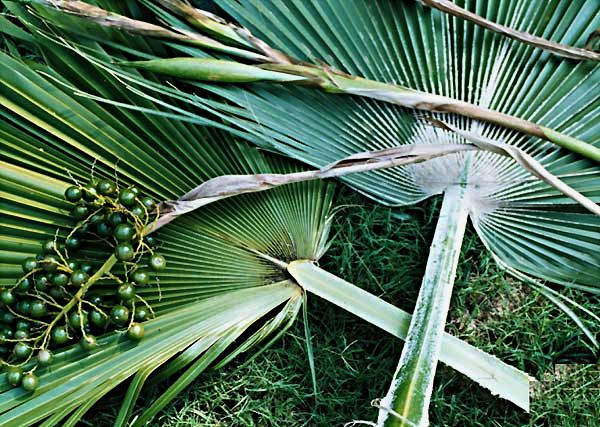
Photo by Melany Chapin, edric.
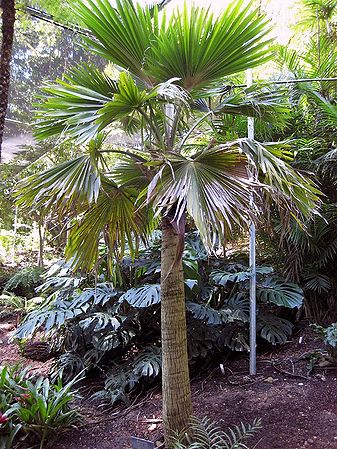
Huntington Gardens, Los Angeles, California. Photo by Raffi Kojian, edric.

Huntington Gardens, Los Angeles, California. Photo by Raffi Kojian, edric.
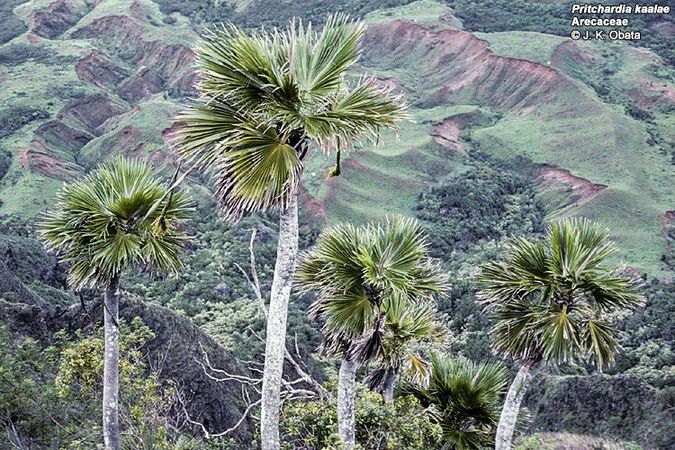
On the ridgeline above the Makua Valley Military Reservation on the Island of Oahu, Hawaii. Photo by Dr. J.K. Obata, edric.
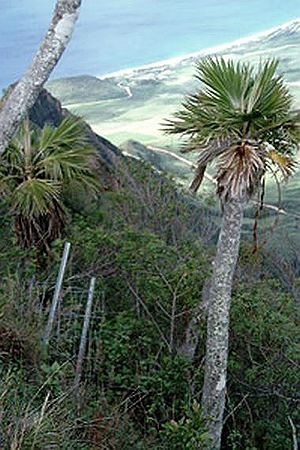
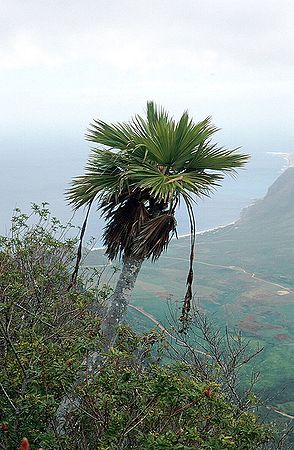
On the ridgeline above the Makua Valley Military Reservation on the Island of Oahu, Hawaii. Photo-hawaii.edu, edric.
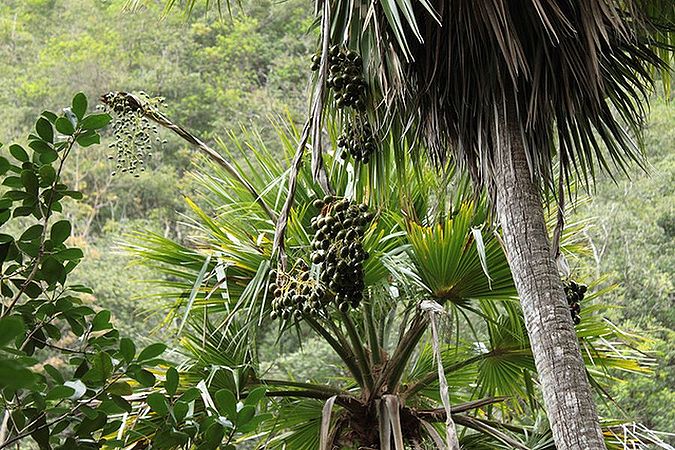
On the ridgeline above East Makaleha Valley, east branch, on the Island of Oahu, Hawaii. Photo-hawaii.edu, edric.
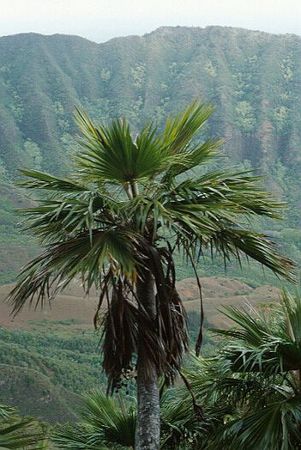
On the ridgeline above East Makaleha Valley, east branch, on the Island of Oahu, Hawaii. Photo-hawaii.edu, edric.
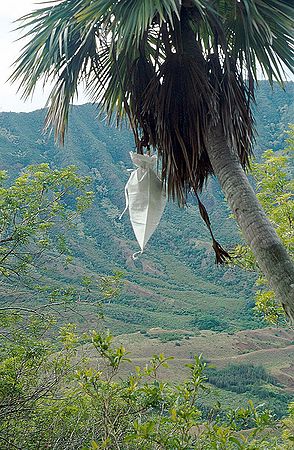
On the ridgeline above East Makaleha Valley, east branch, on the Island of Oahu, Hawaii. Photo-hawaii.edu, edric.
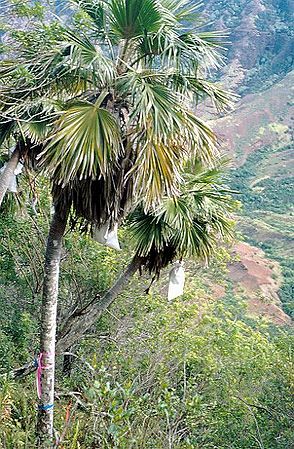
On the ridgeline above East Makaleha Valley, east branch, on the Island of Oahu, Hawaii. Photo-hawaii.edu, edric.
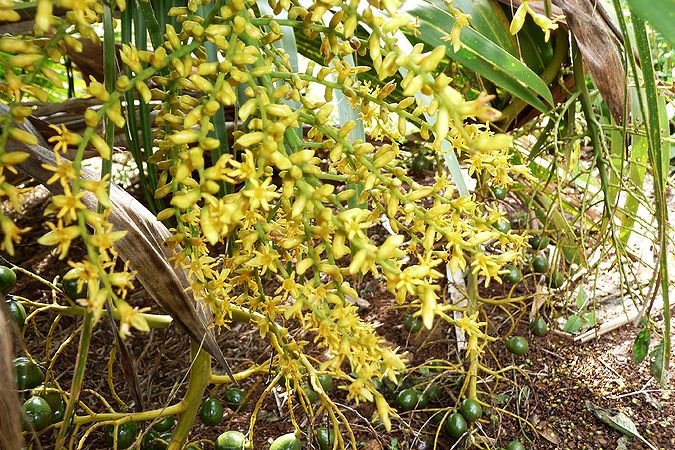
McBryde Gardens at the NTBG in Kauai. Photo by Kyle Wicomb, edric.

McBryde Gardens at the NTBG in Kauai. Photo by Kyle Wicomb, edric.

McBryde Gardens at the NTBG in Kauai. Photo by Kyle Wicomb, edric.

McBryde Gardens at the NTBG in Kauai. Photo by Kyle Wicomb, edric.
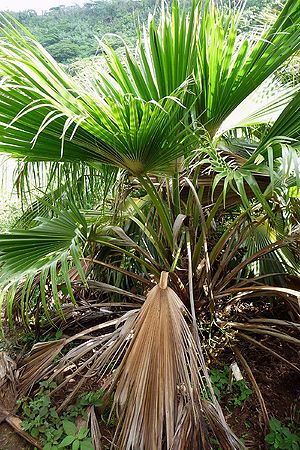
McBryde Gardens at the NTBG in Kauai. Photo by Kyle Wicomb, edric.

McBryde Gardens at the NTBG in Kauai. Photo by Kyle Wicomb, edric.

McBryde Gardens at the NTBG in Kauai. Photo by Kyle Wicomb, edric.

McBryde Gardens at the NTBG in Kauai. Photo by Kyle Wicomb, edric.

Waianae Mtns, Oahu, Hawaii. Tim giving scale. Photo by Tim Kroessig, edric.
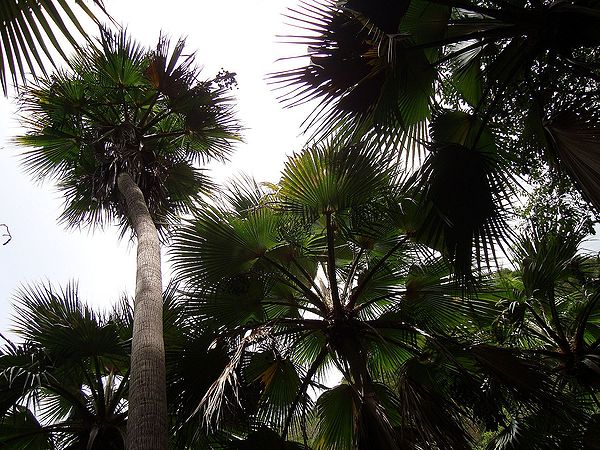
Waianae Mtns, Oahu, Hawaii. Photo by Tim Kroessig, edric.

Ohikilolo, Waianae Mtns, Oahu, Hawaii. Photo by Tim Kroessig, edric.
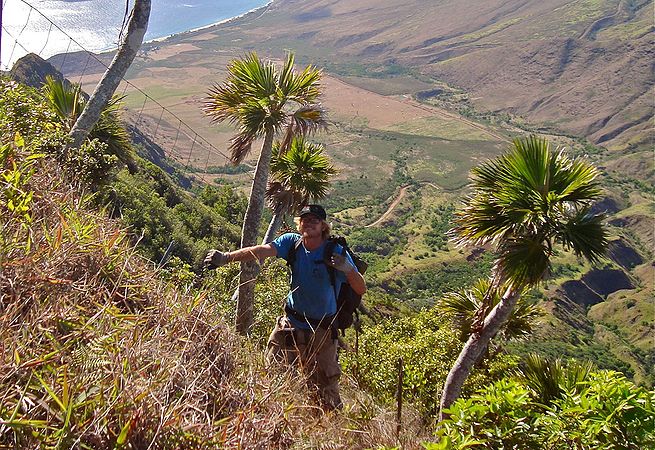
Looking down into Makua Valley in the Waianae Mtns. of Oahu, Hawaii. Tim giving scale. Photo by Tim Kroessig, edric.
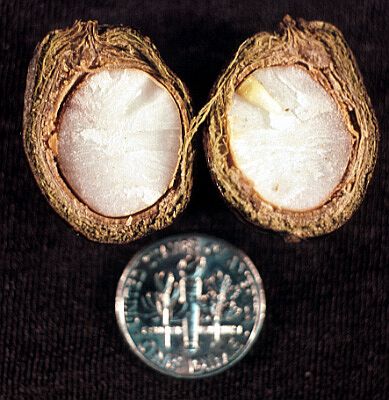
Oahu, Hawaii. Photo-hawaii.edu, edric.
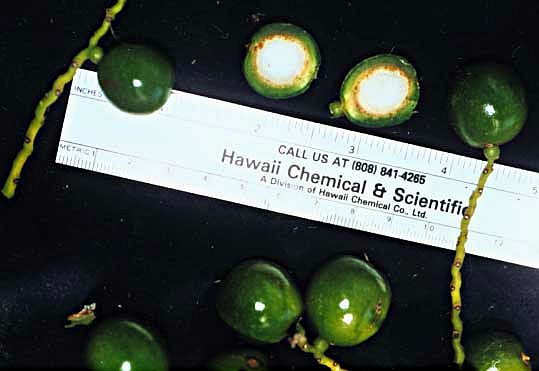
Photo by Dr. Melany Chapin, edric.


.jpg)


Many Special Thanks to Ed Vaile for his long hours of tireless editing and numerous contributions.