Difference between revisions of "Pritchardia kaalae"
| (2 intermediate revisions by one user not shown) | |||
| Line 28: | Line 28: | ||
Pritchardia kaalae var. minima: Palm about 5 metres high. The leaves are dark green, very large with drooping points, smooth above but waxy glaucous and closely dotted below with rusty scales. The lower costae are clothed in tawny fawn felt. This species is amongst the most attractive of the genus, especially as a seedling. The inflorescence, (similar to P. hardyi), is up to 2 meters in length. The fruits are smooth globose around 20 mm diameter with seeds 12-15 mm in diameter. | Pritchardia kaalae var. minima: Palm about 5 metres high. The leaves are dark green, very large with drooping points, smooth above but waxy glaucous and closely dotted below with rusty scales. The lower costae are clothed in tawny fawn felt. This species is amongst the most attractive of the genus, especially as a seedling. The inflorescence, (similar to P. hardyi), is up to 2 meters in length. The fruits are smooth globose around 20 mm diameter with seeds 12-15 mm in diameter. | ||
==Culture== | ==Culture== | ||
| − | + | {{read more top}} | |
| + | ''Pritchardia kaalae'' is an easy to grow palm but not often available for the landscape. Pritchardia kaalae vary in shape. Specimens raised in dry and/or infertile soils tend to be smaller in stature with smaller leaves. Light also affects the plant's form while those grown in full sun are more compact. This palm prefers a sunny, well drained, and moist location. Growth rate: It is a slow growing, short stocky palm. Soil: It likes organic soil, but is adaptable to clay and loam bolth slightly alkaline and acidic. Good drainage is also important. Fertilization: Need a perfect fertilizer diet including all micro nutrients and trace elements or slow release fertilizer. Micro-nutrient deficiencies are occasional problems. If it doesn't get enough Mn and Fe (Iron), the leaves take on a rather unhealthy yellow colour. Micro-nutrient deficiencies only show up on soil with a high pH. Fertilize often for faster growth. Water Requirements: Needs regular water, do not let dry out between waterings. however it does not want to sit in continually wet, mucky soil. The roots and lower trunk can rot if soil is kept too moist. Light: Prefers full sun but will tolerate half day sun. Hardiness: It is adapted to tropical and subtropical climates, young plants are more cold sensitive. Maintenance: Remove dead fronds and spent fruiting stalks for a clean landscape appearance. Fronds can be left on the palm to form a skirt for natural settings. Palms recycle nutrients from dead or dying fronds and use them for healthier fronds. Palms only have a set number of new leaves that can sprout and grow per year and removing fronds will not increase that number. If you cut off more than what will grow annually, you could be left with a pretty bare and bald palm. Pest & Disease: Mealybugs and whiteflies underneath the leaves can present problems at times if not kept in check. A generous spray of water can wash them off. Ornamental: It is cultivated as an ornamental tree, and planted in gardens and parks in tropical and sub-tropical climates either as a single specimen or in groups. Culture in containers is possible although growth rates are slower. A bright patio will provide an excellent environment for young specimens which can eventually be planted in a sunny location. (llifle.com){{read more bottom}} | ||
==Comments and Curiosities== | ==Comments and Curiosities== | ||
{{read more top}} | {{read more top}} | ||
| Line 116: | Line 117: | ||
File:pk0997806675737156.JPG|Oahu, Lyon Aboretum. Photo: botany.cz/ | File:pk0997806675737156.JPG|Oahu, Lyon Aboretum. Photo: botany.cz/ | ||
File:pk9043125767542356891.JPG|Oahu, Lyon Aboretum. Photo: botany.cz/ | File:pk9043125767542356891.JPG|Oahu, Lyon Aboretum. Photo: botany.cz/ | ||
| − | File:Pritchardia cf kaalae 1 Koolaupoko Wetland SE of Kailua, Oahu, Hawaii 130708.JPG|Pritchardia cf kaalae 1 Koolaupoko Wetland SE of Kailua, Oahu, Hawaii 130708 - Photo: Jan Thomas Johansson (© 2014 Jan Thomas Johansson). | + | File:Pritchardia cf kaalae 1 Koolaupoko Wetland SE of Kailua, Oahu, Hawaii 130708.JPG|Pritchardia cf kaalae 1 Koolaupoko Wetland SE of Kailua, Oahu, Hawaii 130708 - Photo: Dr. Jan Thomas Johansson (© 2014 Jan Thomas Johansson). |
| − | File:Pritchardia cf kaalae 5 Foster Botanical Garden, Honolulu, Hawaii 130706.JPG|Pritchardia cf kaalae 5 Foster Botanical Garden, Honolulu, Hawaii 130706 - Photo: Jan Thomas Johansson (© 2014 Jan Thomas Johansson). | + | File:Pritchardia cf kaalae 5 Foster Botanical Garden, Honolulu, Hawaii 130706.JPG|Pritchardia cf kaalae 5 Foster Botanical Garden, Honolulu, Hawaii 130706 - Photo: Dr. Jan Thomas Johansson (© 2014 Jan Thomas Johansson). |
| − | File:Pritchardia cf kaalae 6 Foster Botanical Garden, Honolulu, Hawaii 130706.JPG|Pritchardia cf kaalae 6 Foster Botanical Garden, Honolulu, Hawaii 130706 - Photo: Jan Thomas Johansson (© 2014 Jan Thomas Johansson). | + | File:Pritchardia cf kaalae 6 Foster Botanical Garden, Honolulu, Hawaii 130706.JPG|Pritchardia cf kaalae 6 Foster Botanical Garden, Honolulu, Hawaii 130706 - Photo: Dr. Jan Thomas Johansson (© 2014 Jan Thomas Johansson). |
| − | File:Pritchardia kaalae Foster Botanical Garden, Honolulu, Hawaii 130706.JPG|Pritchardia kaalae Foster Botanical Garden, Honolulu, Hawaii 130706 - Photo: Jan Thomas Johansson (© 2014 Jan Thomas Johansson). | + | File:Pritchardia kaalae Foster Botanical Garden, Honolulu, Hawaii 130706.JPG|Pritchardia kaalae Foster Botanical Garden, Honolulu, Hawaii 130706 - Photo: Dr. Jan Thomas Johansson (© 2014 Jan Thomas Johansson). |
Latest revision as of 23:17, 24 July 2016
| Pritchardia (pritch-AHR-dee-ah) kaalae {kah-AHL-eh) | |||||||
|---|---|---|---|---|---|---|---|
 McBryde Garden, Koloa, Hawaii. Photo by Dr. P. Gotra | |||||||
| Scientific Classification | |||||||
| |||||||
| Synonyms | |||||||
|
| |||||||
| Native Continent | |||||||
 | |||||||
| Morphology | |||||||
| |||||||
| Culture | |||||||
|
| |||||||
| Survivability index | |||||||
|
| |||||||
| Common names | |||||||
|
| |||||||
Contents
Habitat and Distribution
Hawaii. Moist forest in valleys or on exposed ridges in the northern and.jpg)
Description
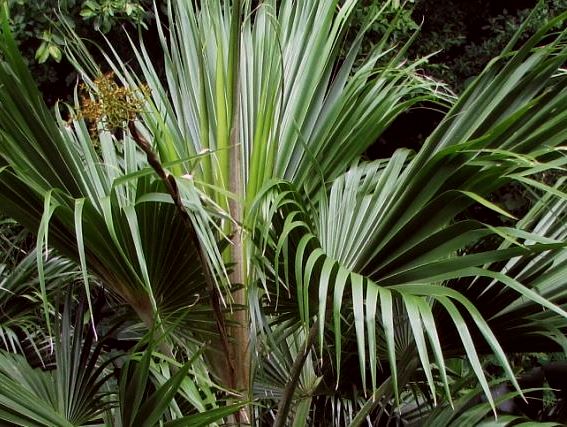
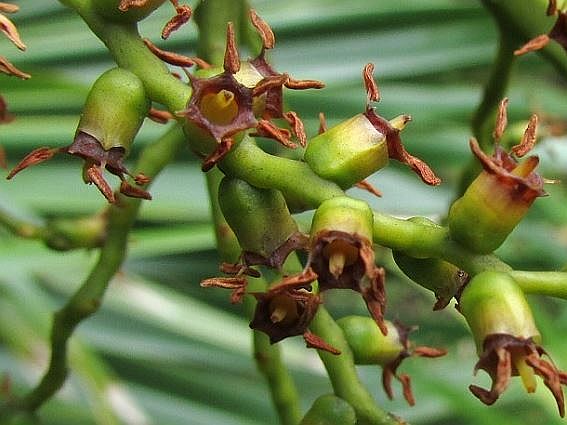
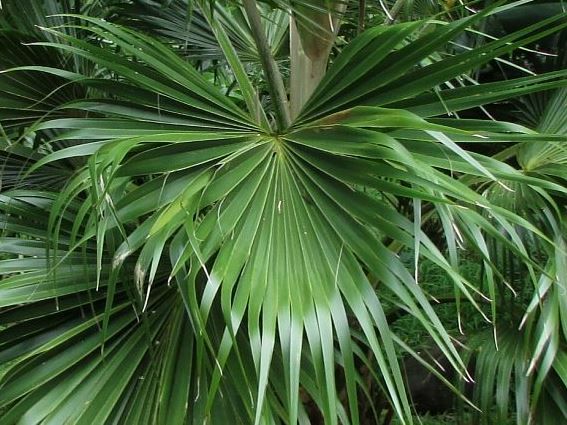
To 10 m tall; proximal margins of petioie with only a few fibers; ieaf blade slightiy undulate, divided 1/3-1/2, abaxial surface incompieteiy covered with scattered lepidia, segment tips stiff to drooping; inflorescences composed of 1-3 panicles, equaling to exceeding leaf blades in flower, exceeding leaf blades in fruit, panicles branched to 2 orders, rachiIlae glabrous; fruits 25 x 25 mm, globose. (Hodel, D. 2007)/Palmweb.
Among the Hawaiian species, Pritchardia kaalae is distinctive in its leaf blades incompletely covered abaxially with lepidia and inflorescences equaling or exceeding the leaf blades in flower and exceeding them in fruit. The other Hawaiian species with exceedingly long inflorescences, P. hardy; and some forms of P. martii, differ in their leaf blades compietely covered abaxiaily with lepidia. Pritchardia thurstonii, a South Pacific species, has leaf blades incompletely covered abaxially with lepidia and inflorescences exceeding the leaf blades; however, it differs in its flat leaf blades only shallowly divided and with stiff segment tips, lepidia conspicuously arranged in parallel lines, and smaller fruits. (Hodel, D. 2007)/Palmweb.
Pritchardia kaalae var. minima: Palm about 5 metres high. The leaves are dark green, very large with drooping points, smooth above but waxy glaucous and closely dotted below with rusty scales. The lower costae are clothed in tawny fawn felt. This species is amongst the most attractive of the genus, especially as a seedling. The inflorescence, (similar to P. hardyi), is up to 2 meters in length. The fruits are smooth globose around 20 mm diameter with seeds 12-15 mm in diameter.
Culture
| read more |
|---|
|
Pritchardia kaalae is an easy to grow palm but not often available for the landscape. Pritchardia kaalae vary in shape. Specimens raised in dry and/or infertile soils tend to be smaller in stature with smaller leaves. Light also affects the plant's form while those grown in full sun are more compact. This palm prefers a sunny, well drained, and moist location. Growth rate: It is a slow growing, short stocky palm. Soil: It likes organic soil, but is adaptable to clay and loam bolth slightly alkaline and acidic. Good drainage is also important. Fertilization: Need a perfect fertilizer diet including all micro nutrients and trace elements or slow release fertilizer. Micro-nutrient deficiencies are occasional problems. If it doesn't get enough Mn and Fe (Iron), the leaves take on a rather unhealthy yellow colour. Micro-nutrient deficiencies only show up on soil with a high pH. Fertilize often for faster growth. Water Requirements: Needs regular water, do not let dry out between waterings. however it does not want to sit in continually wet, mucky soil. The roots and lower trunk can rot if soil is kept too moist. Light: Prefers full sun but will tolerate half day sun. Hardiness: It is adapted to tropical and subtropical climates, young plants are more cold sensitive. Maintenance: Remove dead fronds and spent fruiting stalks for a clean landscape appearance. Fronds can be left on the palm to form a skirt for natural settings. Palms recycle nutrients from dead or dying fronds and use them for healthier fronds. Palms only have a set number of new leaves that can sprout and grow per year and removing fronds will not increase that number. If you cut off more than what will grow annually, you could be left with a pretty bare and bald palm. Pest & Disease: Mealybugs and whiteflies underneath the leaves can present problems at times if not kept in check. A generous spray of water can wash them off. Ornamental: It is cultivated as an ornamental tree, and planted in gardens and parks in tropical and sub-tropical climates either as a single specimen or in groups. Culture in containers is possible although growth rates are slower. A bright patio will provide an excellent environment for young specimens which can eventually be planted in a sunny location. (llifle.com) |
Comments and Curiosities
| read more |
|---|
|
Etymology: Pritchardia name is dedicated to William Thomas Pritchard (1829-1907), British official stationed in Fiji in the 19th Century, British counsul in Fiji, adventurer, and author of Polynesian Reminiscences in 1866. Conservation: Pritchardia kaalae is listed as critically endangered on the IUCH Red List of Threatened Species as it is considered to be facing extreme risk of extinction in the wild in the immediate future. It is recognized as endangered and is therefore protected under the US Endangered Species Act in 1996. Only 170 individuals remain in the wild which are considered to represent a single population. Threats to the persistence of these populations include competition with introduced, non-native species such as Christmas berry (Schinus terebinthifolius), predation of the seeds by introduced rats (Rattus sp.) and trampling and habitat disturbance by feral pigs (Sus scrofa). The small number of Pritchardia kaalae individuals makes it vulnerable to extinction as a result of natural and human disturbance and resulting habitat loss. Reduction in reproductive success is possible when species contain few individuals as a result of increased inbreeding, that is reproduction between genetically closely related individuals. (ntbg.org) As of 1998 there were fewer than 130 individuals remaining in the wild. This is a federally listed endangered species of the United States. "Pritchardia ka’alae is a rare and endangered species endemic to western Oahu where it grows at natural springs in the dry forested mountains at elevations of 1500 to 3100 feet. The epithet is Latin for “of Ka’ala” a mountain in the Waianae Mountain range, the species native habitat. Pritchardia ka’alae is known from scattered populations in the central and north central Waianae Mountains. Five populations are currently known to exist between Waianae Kai Haleauau summit divide and the Makua-Kea’au Ridge. At last count, 130 individuals were noted. These populations are located on state and federal lands, including Mount Ka’ala and land leased to the Department of Defense for the Makua Military Reservation. And on Schofield Barracks Military Reservation." (Billl Chang) "This slow growing smaller species has a trunk that attains a height of 25 feet or more and a diameter of 1 foot. The leaf crown is hemispherical or slightly more, and the leaves are semicircular, deep green on both sides with long-tipped segments whose apices are pendulous. A distinguishing character of the leaves are their waxy hairless or scaly surface and the thin and papery or thick and leathery physique. This is one of the few species whose inflorescences extend beyond the leaf crown." (Billl Chang) "Native to Oahu. 30' tall with dark green leaves split about half their length. Flowers are longer than the leaves (sometimes quite a bit so). Moderately cold hardy and numerous examples growing in southern California. Mild frost damage in high 20s. This has been a good grower for me, though it is a bit 'ordinary' looking for a Pritchardia. The seedlings have a nice yellowy stripe down the center of the leaves, but otherwise it could be a P hillebrandii- standard mod sized leaves, not quite semicircular, moderately split and green petioles. It is a moderately slow palm (but not as slow as P martii) and a bit touchy about direct, hot sun. In So Cal, prefers some shade in hotter parts of the day. This species is from Oahu and it is in danger of extinction there. There are many of them in cultivation around the world now." (Geoff Stein) The Hawaiian island of Oahu is the natural habitat of this beautiful palm. Fewer than 130 individuals are known from five subpopulations scattered in the central and north-central Waianae Mountains around Mt Kaala. Many Pritchardia species are cultivated as ornamental palms in botanical gardens and the ease of cultivation of Pritchardia kaalae makes this a popular and widely grown plant in botanical gardens. Altitude range: From 450 and 980 metres above sea level. Habitat and Ecology: Pritchardia kaalae is a palm tree that grows in lowland moist forest and near springs on exposed hilly slopes and cliffs in the dry forests on the Wai?anae Range. Introduced animals such as rats and goats may consume many seeds of Pritchardia kaalae netting of the inflorescences, potentially resulting in drastic decreased recruitment via seeds. However if rats do not damage the embryo, up to 45% of the endosperm can be removed and the seed will still germinate. Also, damaged seeds germinated faster than the undamaged controls. The small number of Pritchardia kaalae individuals makes it vulnerable to extinction as a result of natural and human disturbance and resulting habitat loss. Reduction in reproductive success is possible when species contain few individuals as a result of increased inbreeding, that is reproduction between genetically closely related individuals. It had been traditionally believed that all Pritchardia are wind pollinated. Recent research, however, indicates that that both wind and insects are involved.(llifle.com) |
- IMAGE GALLERY

Fallbrook, California.
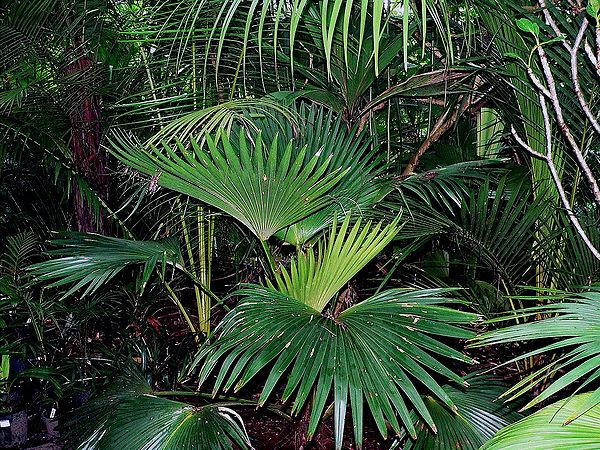
Gold Coast Hinterland, Queensland. Photo by Daryl O'Connor

Audobon Center, Oahu, Hawaii. Photo by Geoff Stein

Huntington Botanical Gardens, Pasadena, California. Photo by Geoff Stein
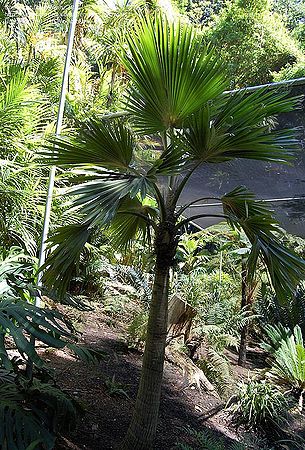
The Huntington Botanical Gardens - Labelled as Pritchardia kaalae var. minima. California. Photo by Growin
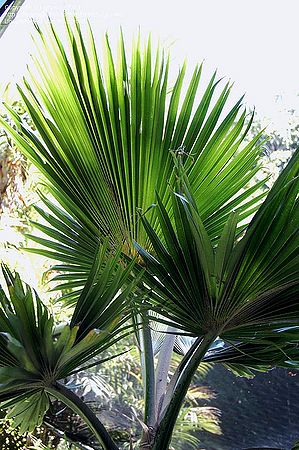
The Huntington Botanical Gardens - Labelled as Pritchardia kaalae var. minima. California. Photo by Growin

Hawaii. Photo by Geoff Stein
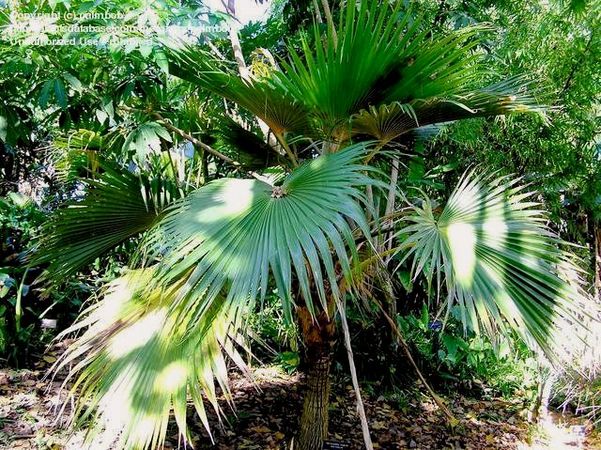
Hawaii. Photo by Geoff Stein
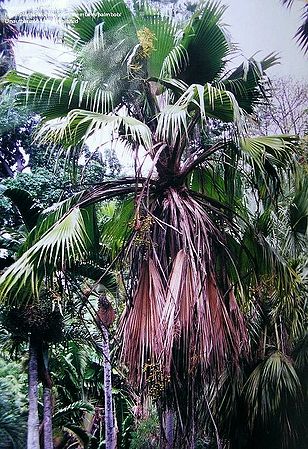
Hawaii. Photo by Geoff Stein
Hawaii. Photo by Geoff Stein
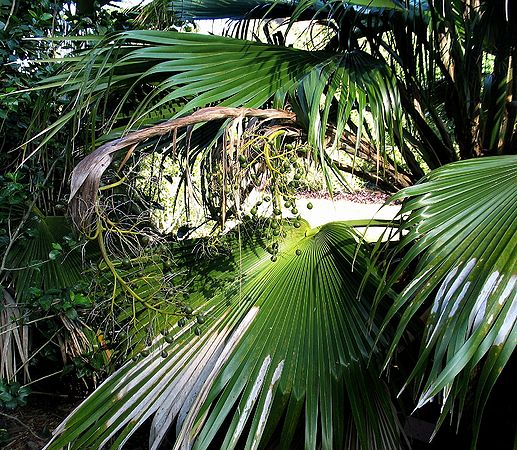
Hawaii. Photo by Dr. David Eickhoff

Hawaii. Photo by Dr. David Eickhoff

Hawaii. Photo by Dr. David Eickhoff

McBryde Garden, Koloa, Hawaii. Photo by Dr. P. Gotra
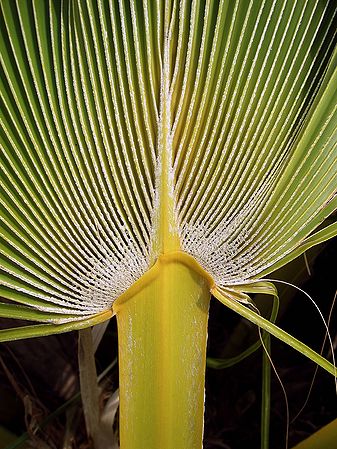
McBryde Garden, Koloa, Hawaii. Photo by Dr. P. Gotra

McBryde Garden, Koloa, Hawaii. Photo by Dr. P. Gotra
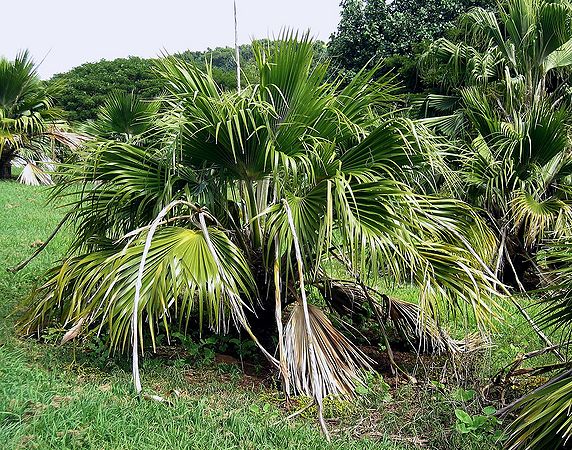
McBryde Garden, Koloa, Hawaii. Photo by Dr. P. Gotra

McBryde Garden, Koloa, Hawaii. Photo by Dr. P. Gotra

McBryde Garden, Koloa, Hawaii. Photo by Dr. P. Gotra
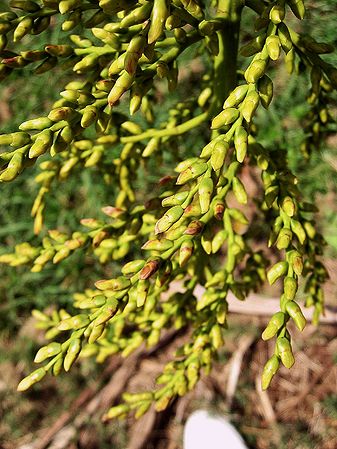
McBryde Garden, Koloa, Hawaii. Photo by Dr. P. Gotra
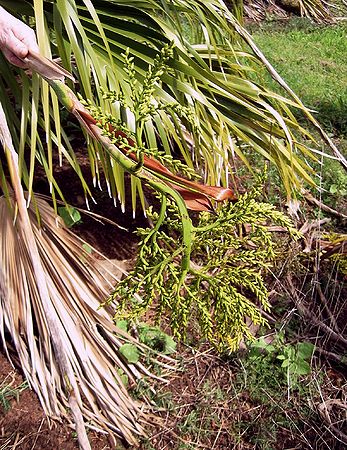
McBryde Garden, Koloa, Hawaii. Photo by Dr. P. Gotra

McBryde Garden, Koloa, Hawaii. Photo by Dr. P. Gotra

On the ridgeline above the Makua Valley Military Reservation on the Island of Oahu, Hawaii. Photo by Magnus Manske

Photo by Steve Rohrmayer

Photo by Colin Wilson
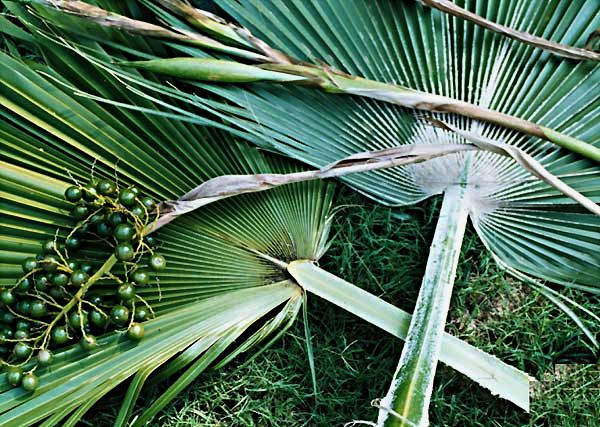
Photo by Melany Chapin
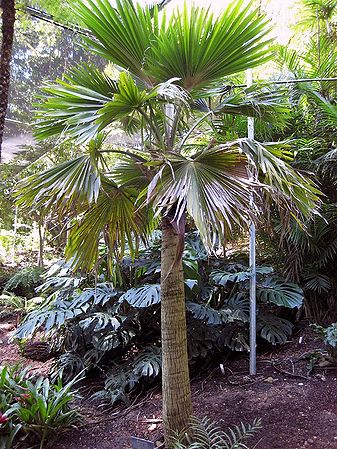
Huntington Gardens, Los Angeles, California. Photo by Raffi Kojian

Huntington Gardens, Los Angeles, California. Photo by Raffi Kojian
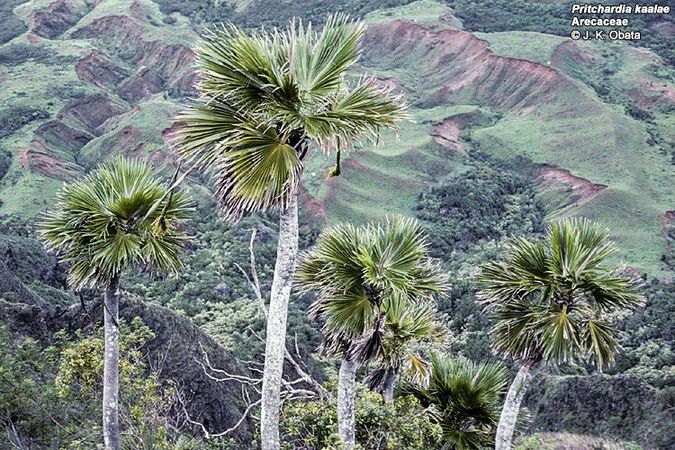
On the ridgeline above the Makua Valley Military Reservation on the Island of Oahu, Hawaii. Photo by Dr. J.K. Obata,
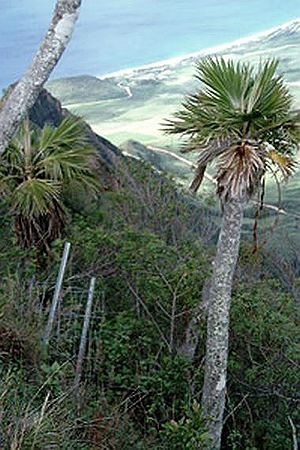
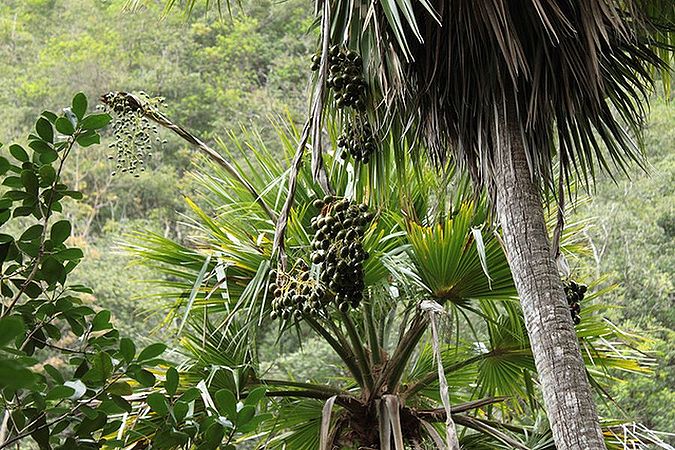
On the ridgeline above East Makaleha Valley, east branch, on the Island of Oahu, Hawaii. Photo-hawaii.edu
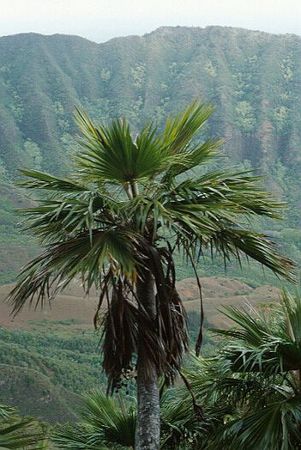
On the ridgeline above East Makaleha Valley, east branch, on the Island of Oahu, Hawaii. Photo-hawaii.edu
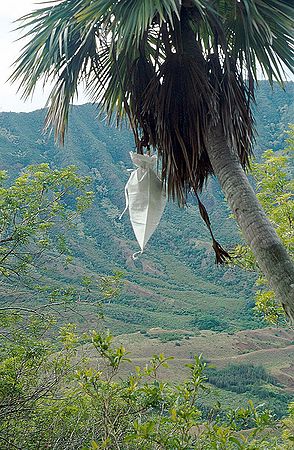
On the ridgeline above East Makaleha Valley, east branch, on the Island of Oahu, Hawaii. Photo-hawaii.edu
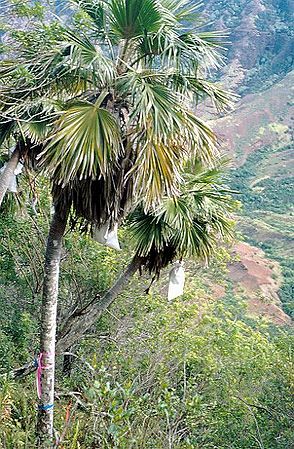
On the ridgeline above East Makaleha Valley, east branch, on the Island of Oahu, Hawaii. Photo-hawaii.edu
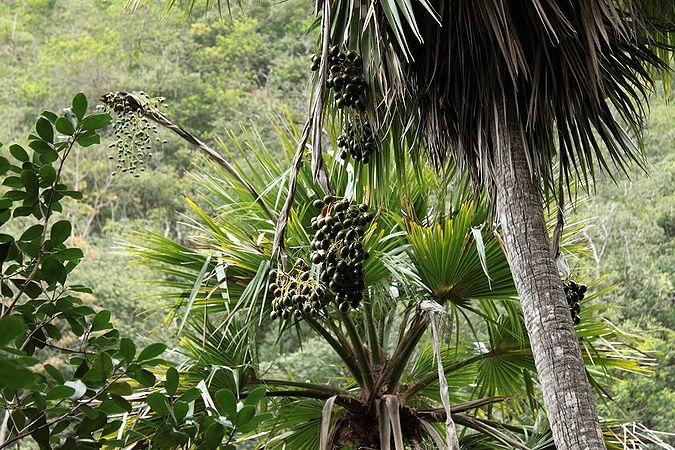
On the ridgeline above East Makaleha Valley, east branch, on the Island of Oahu, Hawaii. Photo-hawaii.edu
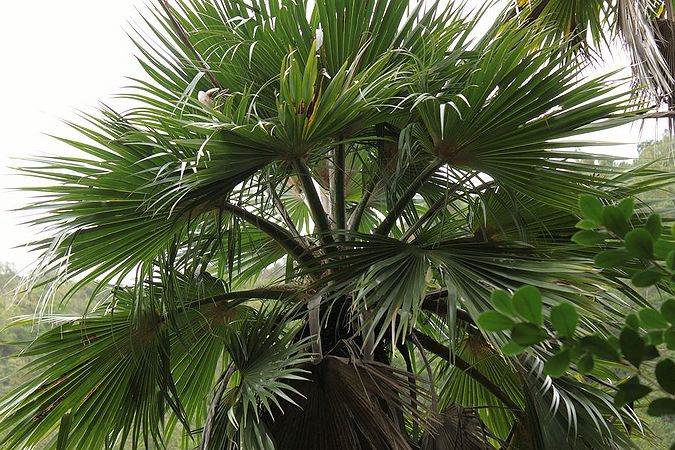
On the ridgeline above East Makaleha Valley, east branch, on the Island of Oahu, Hawaii. Photo-hawaii.edu
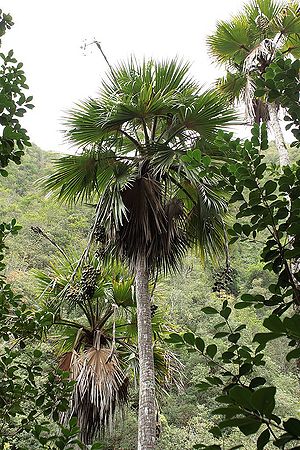
On the ridgeline above East Makaleha Valley, east branch, on the Island of Oahu, Hawaii. Photo-hawaii.edu
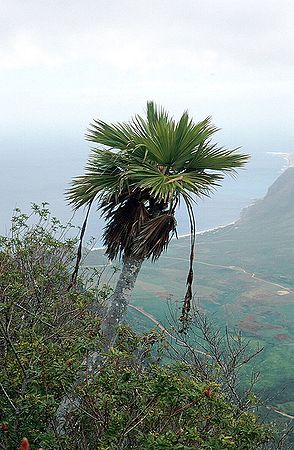
On the ridgeline above East Makaleha Valley, east branch, on the Island of Oahu, Hawaii. Photo-hawaii.edu
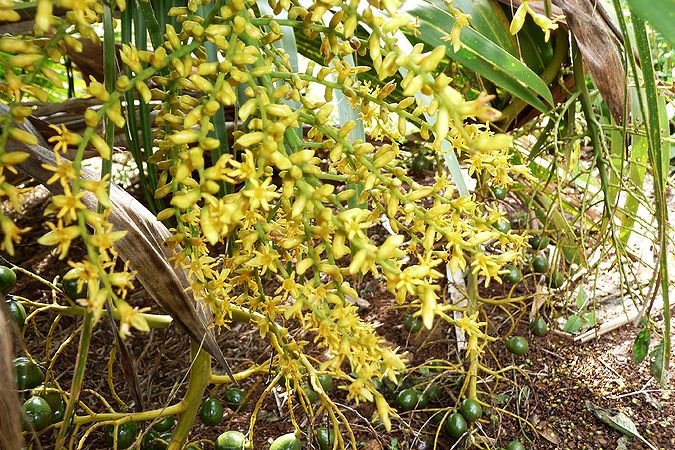
McBryde Gardens at the NTBG in Kauai. Photo by Kyle Wicomb

McBryde Gardens at the NTBG in Kauai. Photo by Kyle Wicomb

McBryde Gardens at the NTBG in Kauai. Photo by Kyle Wicomb

McBryde Gardens at the NTBG in Kauai. Photo by Kyle Wicomb
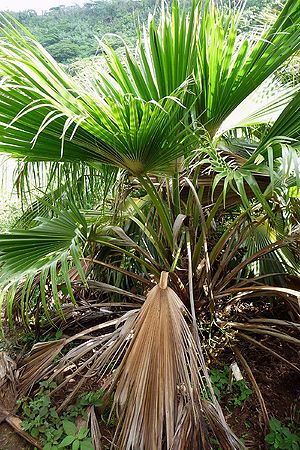
McBryde Gardens at the NTBG in Kauai. Photo by Kyle Wicomb

McBryde Gardens at the NTBG in Kauai. Photo by Kyle Wicomb

McBryde Gardens at the NTBG in Kauai. Photo by Kyle Wicomb

McBryde Gardens at the NTBG in Kauai. Photo by Kyle Wicomb

Waianae Mtns, Oahu, Hawaii. Tim giving scale. Photo by Tim Kroessig
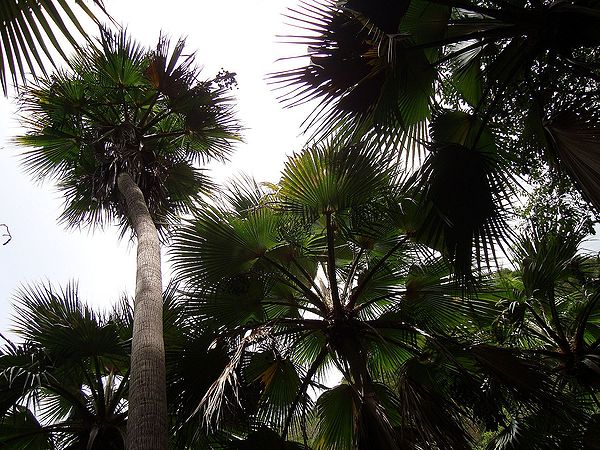
Waianae Mtns, Oahu, Hawaii. Photo by Tim Kroessig

Ohikilolo, Waianae Mtns, Oahu, Hawaii. Photo by Tim Kroessig
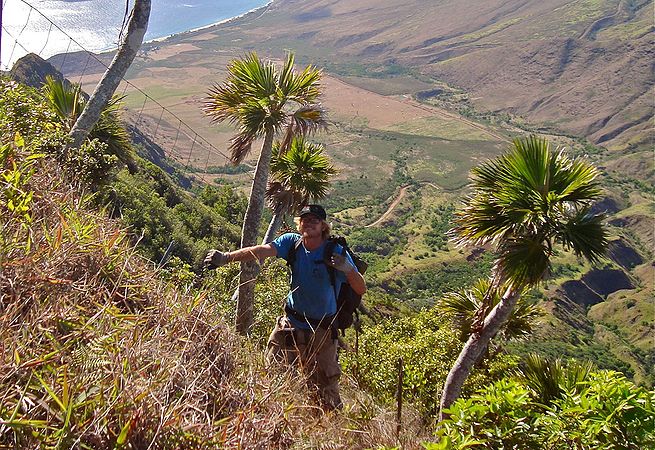
Looking down into Makua Valley in the Waianae Mtns. of Oahu, Hawaii. Tim giving scale. Photo by Tim Kroessig

Pritchardia ka'alae, Foster Garden, Honolulu. Photo by Bill Chang

Pritchardia kaalae Photo by: Forest Starr & Kim Starr. Fruit and leaves at Pololei Haiku, Maui, Hawaii (USA). April 11, 2013.

Fruit at Pololei Haiku, Maui, Hawaii (USA). April 11, 2013. Photo by: Forest Starr & Kim Starr 20659 star Forest Starr & Kim Starr
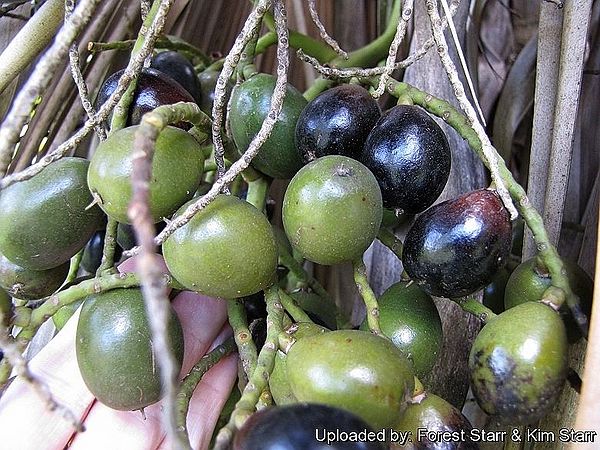
Fruit at Pololei Haiku, Maui, Hawaii (USA). April 11, 2013. Photo by: Forest Starr & Kim Starr 20659 star Forest Starr & Kim Starr

Pritchardia kaalae Photo by: Forest Starr & Kim Starr. Fruit and leaves at Pololei Haiku, Maui, Hawaii (USA). April 11, 2013.
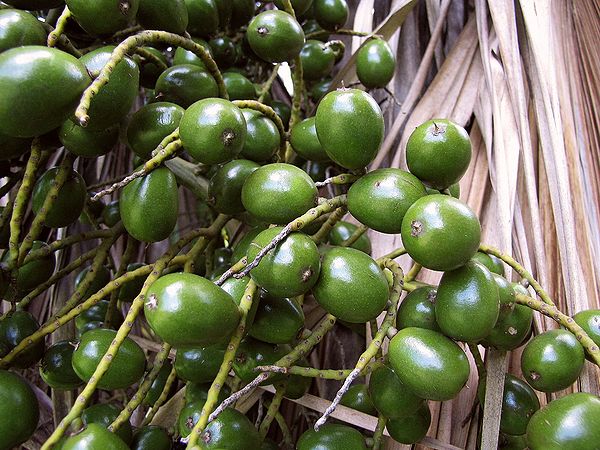
Fruit at Pololei Haiku, Maui, Hawaii (USA). April 11, 2013. Photo by: Forest Starr & Kim Starr 20659 star Forest Starr & Kim Starr
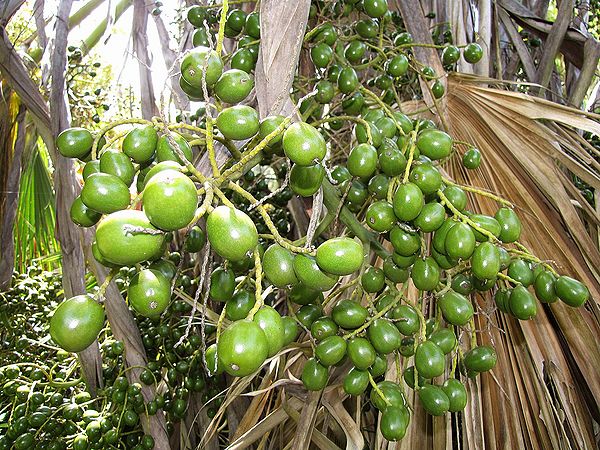
Fruit at Pololei Haiku, Maui, Hawaii (USA). April 11, 2013. Photo by: Forest Starr & Kim Starr 20659 star Forest Starr & Kim Starr

Fruit at Pololei Haiku, Maui, Hawaii (USA). April 11, 2013. Photo by: Forest Starr & Kim Starr 20659 star Forest Starr & Kim Starr
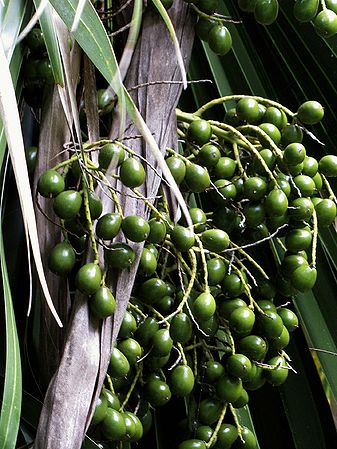
Fruit at Pololei Haiku, Maui, Hawaii (USA). April 11, 2013. Photo by: Forest Starr & Kim Starr 20659 star Forest Starr & Kim Starr
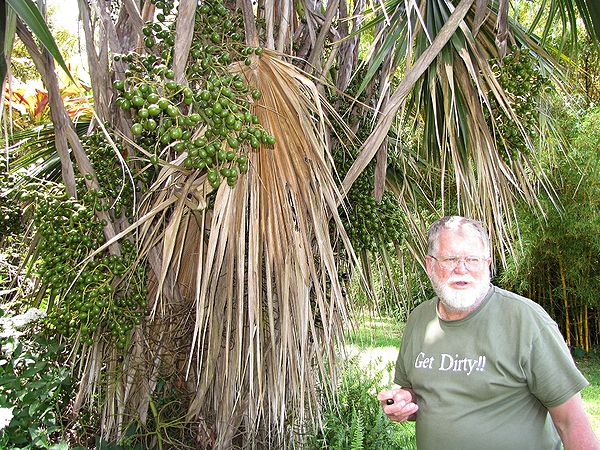
Fruit at Pololei Haiku, Maui, Hawaii (USA). April 11, 2013. Photo by: Forest Starr & Kim Starr 20659 star Forest Starr & Kim Starr
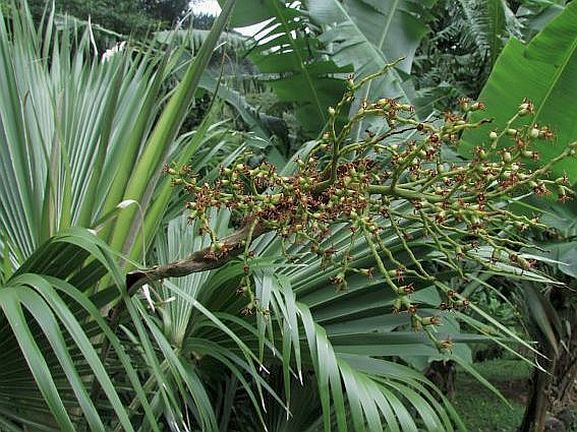
Oahu, Lyon Aboretum. Photo: botany.cz/

Oahu, Lyon Aboretum. Photo: botany.cz/
Oahu, Lyon Aboretum. Photo: botany.cz/
Oahu, Lyon Aboretum. Photo: botany.cz/
Oahu, Lyon Aboretum. Photo: botany.cz/

Pritchardia cf kaalae 1 Koolaupoko Wetland SE of Kailua, Oahu, Hawaii 130708 - Photo: Dr. Jan Thomas Johansson (© 2014 Jan Thomas Johansson).

Pritchardia cf kaalae 5 Foster Botanical Garden, Honolulu, Hawaii 130706 - Photo: Dr. Jan Thomas Johansson (© 2014 Jan Thomas Johansson).

Pritchardia cf kaalae 6 Foster Botanical Garden, Honolulu, Hawaii 130706 - Photo: Dr. Jan Thomas Johansson (© 2014 Jan Thomas Johansson).

Pritchardia kaalae Foster Botanical Garden, Honolulu, Hawaii 130706 - Photo: Dr. Jan Thomas Johansson (© 2014 Jan Thomas Johansson).
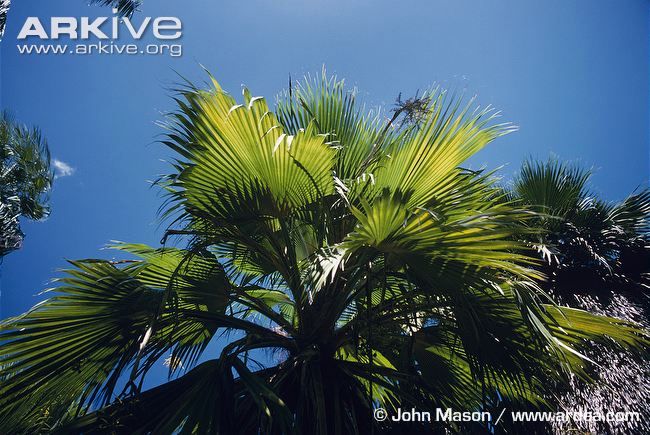
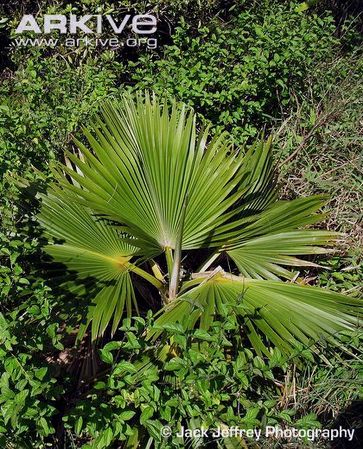

Photo: Jungle Music Palms & Cycads.com

Lolou palms. The palm in the foreground is Pritchardia maideniana (formerly P affinis), endemic to the Kona coast of Hawaii Island. The palm in the background is Pritchardia kaalae, endemic to Oahu. National Tropical Botanical Garden (www.ntbg.org), Lawai, Kauai, Hawaii. Photo by J. B. Friday

Pritchardia cf kaalae 3 Koolaupoko Wetland SE of Kailua, Oahu, Hawaii 130708 - Photo: Jan Thomas Johansson (© 2014 Dr. Jan Thomas Johansson).

Pritchardia cf kaalae 4 Koolaupoko Wetland SE of Kailua, Oahu, Hawaii 130708 - Photo: Jan Thomas Johansson (© 2014 Dr. Jan Thomas Johansson).

Pritchardia cf kaalae 2 Koolaupoko Wetland SE of Kailua, Oahu, Hawaii 130708 - Photo: Jan Thomas Johansson (© 2014 Dr. Jan Thomas Johansson).
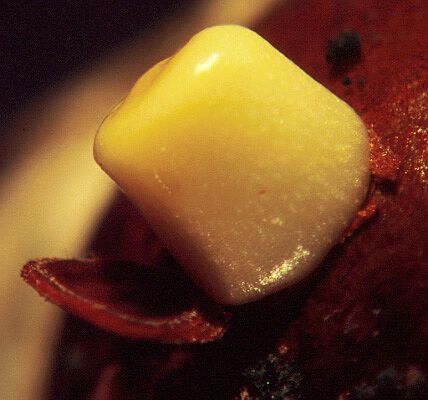
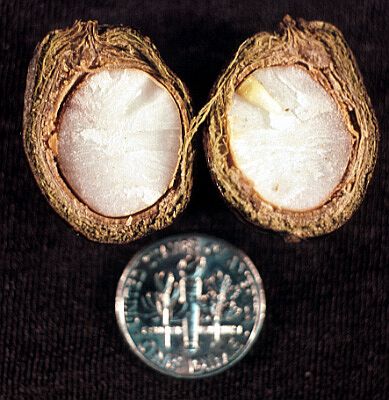
Oahu, Hawaii. Photo-hawaii.edu
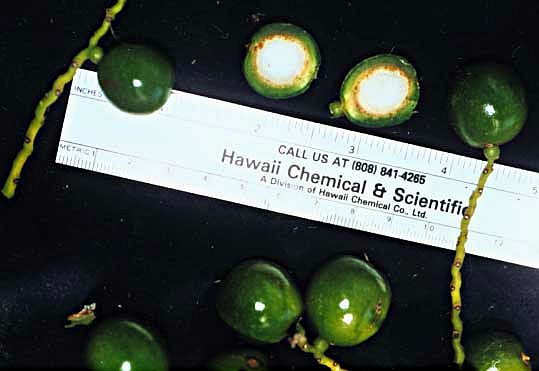
Photo by Dr. Melany Chapin.


External Links
- Glossary of Palm Terms
- MODERN BOTANICAL LATIN
- "Just To Be Clear"
- A Must See
- http://www.flickr.com/photos/53189052@N08/4904387444/in/photostream/
- http://botany.cz/cs/pritchardia-kaalae/
- http://myloulu.wordpress.com/2010/09/13/the-island-of-oahu/
- http://myloulu.wordpress.com/2010/09/08/the-island-of-maui/
- http://myloulu.wordpress.com/2010/09/27/the-islands-of-niihau-and-nihoa/
- http://myloulu.wordpress.com/2010/09/06/the-island-of-hawaii/
- http://myloulu.wordpress.com/2010/09/21/the-island-of-kauai/
- http://myloulu.wordpress.com/2010/09/08/the-island-of-lanai/
- http://myloulu.wordpress.com/2010/09/08/island-of-molokai/
- http://hanapalms.wordpress.com/2010/07/
- http://www.biomedcentral.com/1471-2148/12/23
- Pritchardia kaalae: Final Implementation Plan for Makua Military Reservation, Island of Oahu.
References
Phonetic spelling of Latin names by edric.
Special thanks to Geoff Stein, (Palmbob) for his hundreds of photos.
Special thanks to Palmweb.org, Dr. John Dransfield, Dr. Bill Baker & team, for their volumes of information and photos.
Glossary of Palm Terms; Based on the glossary in Dransfield, J., N.W. Uhl, C.B. Asmussen-Lange, W.J. Baker, M.M. Harley & C.E. Lewis. 2008. Genera Palmarum - Evolution and Classification of the Palms. Royal Botanic Gardens, Kew. All images copyright of the artists and photographers (see images for credits).
Hodel, D. 2007.
Many Special Thanks to Ed Vaile for his long hours of tireless editing and numerous contributions.