Pholidocarpus macrocarpus
| Pholidocarpus (foh-lee-DOH-kar-puhs) macrocarpus (mak-roh-KAR-puhs) | |||||||
|---|---|---|---|---|---|---|---|
|
Help to make this reference box better by uploading a representative photo of this palm. | |||||||
| Scientific Classification | |||||||
| |||||||
| Synonyms | |||||||
|
| |||||||
| Native Continent | |||||||
 | |||||||
| Morphology | |||||||
| |||||||
| Culture | |||||||
|
| |||||||
| Survivability index | |||||||
|
| |||||||
| Common names | |||||||
|
| |||||||
Contents
Habitat and Distribution
Malaya, and Thailand. Endemic to Malaysia and Thailand's inland lowland peat forests. Restricted to Peninsular Malaysia and Peninsular Thailand. [[
Description
Tall single trunk reaching 30-40m; Leaf palmate about 2 m diameter, segmented commences at center or one third way to stalk; petiole length; 2.5-3 m, with sharp thorns; Inflorescence/spadix emerges at petiole axil; fruit oval 8-10 cm in diameter, corky with knurled-textured surface; flesh orange color. Editing by edric.
Culture
Comments and Curiosities
Malaya. Lowland seasonal swamp forest, along valleys, scattered, endemic. Like Livistona exc. stamens form long tube free from petals, fruits with thick corky cracked outer wall. Flesh orange with strong apricot smell (edible?). Not all leaf divisions to centre, some only 1/3 way in to stalk. (Hijjas Kasturi)
Etymology: Genus Name; Comes from 2 Greek words meaning 'scale' and 'fruit'.
Conservation: Now a rarity due to habitat loss (IUCN - vulnerable).
"Very tall fan palm from Thailand and surrounding countries- looks, and is probably related to, Livistonas. Has deeply divided, somewhat drooping huge fan leaves (6' wide) on long (6-7') petioles. The most beautiful feature of younger palms (can't appreciate this as palms get too tall) are the ornamental broad yellow stripes along the petioles. Needs a tropical environment to do well, and not aware of any success here in California with this species." (Geoff Stein), edric.
A majestic palm native to swampy lowland areas on the Malay Peninsula. It sports a very tall, slender, solitary trunk that carries a large, spherical crown of bright green, fan-shaped leaves held on fiercely armed leaf stalks with two characteristic yellow stripes. It is closely related to Livistona but easily distinguished by its very large, corky fruits. Pholidocarpus is rarely seen in cultivation and does best in a tropical climate with abundant moisture. (RPS.com)
External Links
References
Phonetic spelling of Latin names by edric.
Special thanks to Geoff Stein, (Palmbob) for his hundreds of photos.
Special thanks to Palmweb.org, Dr. John Dransfield, Dr. Bill Baker & team, for their volumes of information and photos.
Glossary of Palm Terms; Based on the glossary in Dransfield, J., N.W. Uhl, C.B. Asmussen-Lange, W.J. Baker, M.M. Harley & C.E. Lewis. 2008. Genera Palmarum - Evolution and Classification of the Palms. Royal Botanic Gardens, Kew. All images copyright of the artists and photographers (see images for credits).
- IMAGE GALLERY

Selangor, Malaysia. Photo by Hijjas Kasturi, edric.

Lae Botanic Garden, Papua New Guinea. Photo by Dr. John Dransfield, Royal Botanic Gardens, Kew/Palmweb.

Lae Botanic Garden, Papua New Guinea. Photo by Dr. William J. Baker, Royal Botanic Gardens, Kew/Palmweb.

Simpang Taiping, Perak, Malaysia. Photo by Dr. Ahmad Fuad Morad, edric.

Simpang Taiping, Perak, Malaysia. Photo by Dr. Ahmad Fuad Morad, edric.

Simpang Taiping, Perak, Malaysia. Photo by Dr. Ahmad Fuad Morad, edric.

Simpang Taiping, Perak, Malaysia. Photo by Dr. Ahmad Fuad Morad, edric.

Simpang Taiping, Perak, Malaysia. Photo by Dr. Ahmad Fuad Morad, edric.

Simpang Taiping, Perak, Malaysia. Photo by Dr. Ahmad Fuad Morad, edric.

Thailand. Photo by Geoff Stein, edric.

Thailand. Photo by Geoff Stein, edric.

Photo-Malaysian Biological Diversity, edric.

Photo-Malaysian Biological Diversity, edric.


Photo-Rare Palm Seeds.com
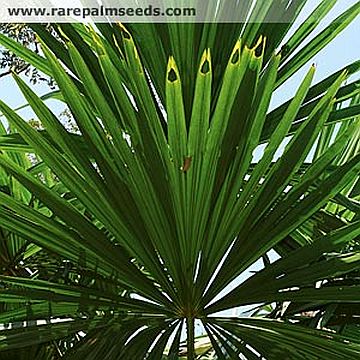
Photo-Rare Palm Seeds.com

Photo-Rare Palm Seeds.com


Many Special Thanks to Ed Vaile for his long hours of tireless editing and numerous contributions.